
The first person in North America to live in a 3D printed home was homeless. Let that sit with you for a second.
Tim Shea spent decades battling heroin addiction. In 2020, at 73 years old, he moved into a small house built by a robot squirting concrete... and became a quiet pioneer. Not because he signed up for some experiment. Because ICON, an Austin-based company with a preacher's heart and an engineer's brain, decided that the people society forgets should be the first to benefit from new technology.
Ain't that something?
The Machine and the Mission
ICON builds houses with massive robotic 3D printing systems. Picture a soft serve ice cream dispenser the size of a building... laying down concrete walls one layer at a time, one bead every 30 minutes. No hammering. No sawing. Just a nozzle, some concrete, and software telling a robot exactly where to go.
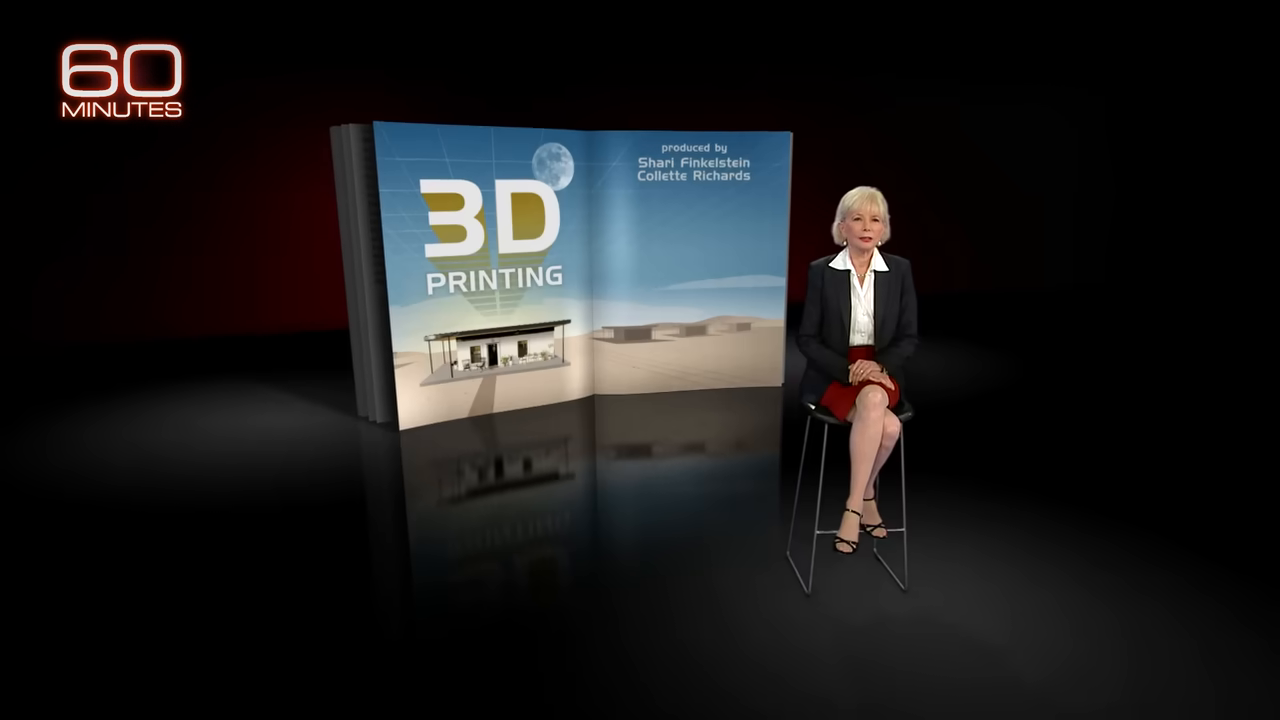
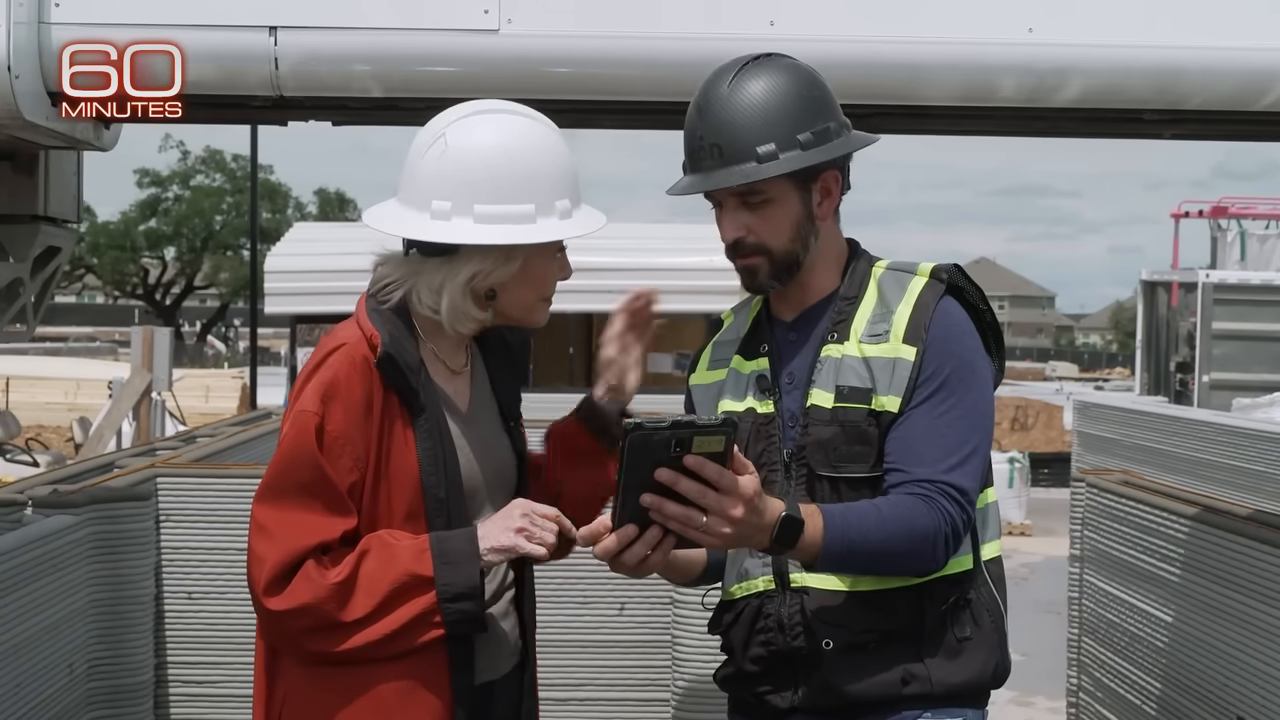
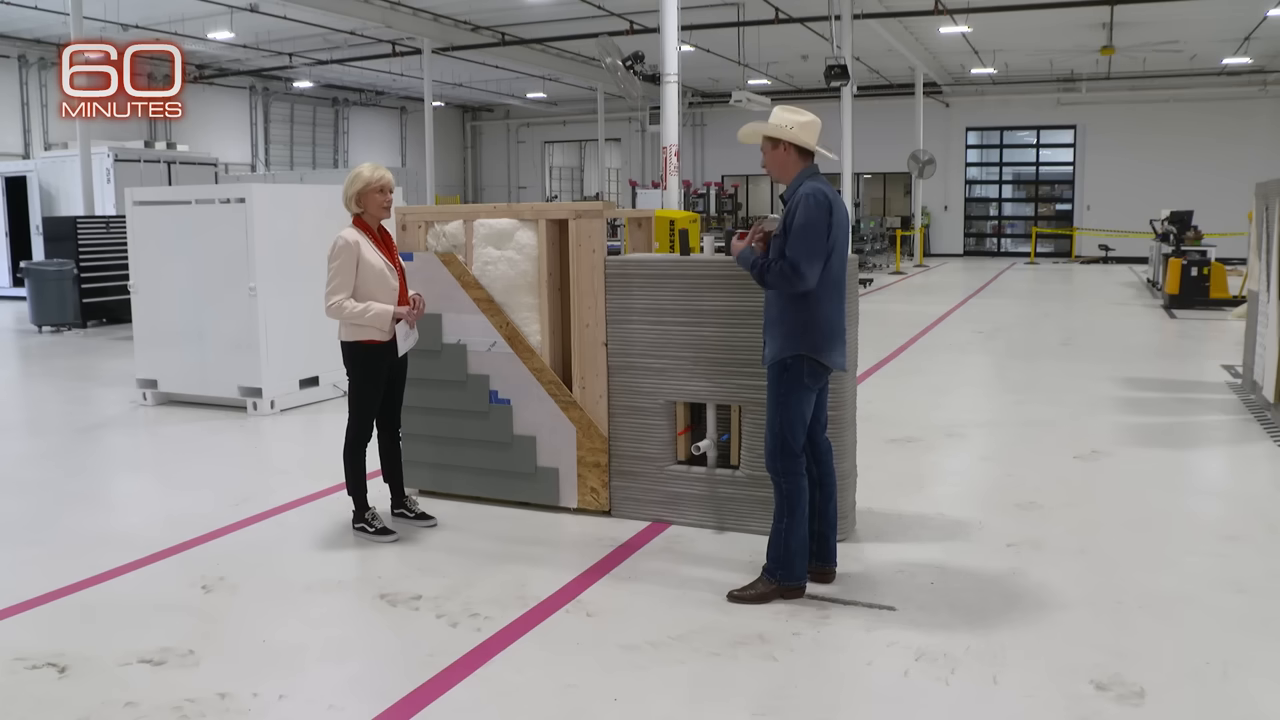
The result? A single material replaces at least six. Siding, moisture barrier, sheathing, studs, drywall, tape and texture... all collapsed into one robotically delivered wall. The waste from a traditional build fills truckloads. The waste from a 3D printed construction build? Almost nothing. You only print what you need.
Fire resistant. Flood resistant. Wind resistant. Termite proof.
As Jason Ballard, ICON's founder, put it: if an alien landed on Earth and compared these two methods from first principles... the alien would pick the robot. By a mile.
A Bishop, a Hurricane, and a Calling
Ballard didn't start as a tech CEO. He grew up in East Texas... studious, outdoorsy, spiritual. Almost became an Episcopal priest. But life kept putting housing in front of him. He worked at a homeless shelter. Studied conservation biology. Got into sustainable building. Then a hurricane destroyed his hometown and he found himself pulling drywall out of his family's house.
So he went to his bishop and asked the question we all ask when the path forks: What do I do?
The bishop told him to pursue the housing thing. Called it his priesthood. His vocation. Said the church would still be there if it didn't work out.
That flipped the switch. Housing stopped being a business idea and became a mission.
I love that story. Because the best callings don't come with trumpets. They come with debris... and someone who sees purpose in the mess. 💙
The Failure Nobody Talks About
Ballard teamed up with Evan Loomis from Texas A&M and Alex Le Roux, a Baylor engineering grad who'd already printed a shed. Together they co-founded ICON in 2017.
Their first prototype? A 10x10x10-foot printer in a borrowed warehouse, built on nights and weekends. It never worked.
Their second attempt nearly ended in disaster. While printing their first permitted house for South by Southwest, the robot drove into the print. Pushed layers off. Engineers sat them down and said it was a great effort... but to pack it in and get some rest.
Their response? "Get out of here. Anyone who wants to finish may stay. Everyone else needs to leave."
They finished hours before the deadline.
Never, never, never, never give up.
That 350-square-foot house won them investors, an innovation award, meetings with the military, and the attention of Alan Graham... who runs Community First! Village, a community of small homes for the formerly homeless in Austin. Average time on the streets for their residents: nine years. Average age of death: 59.
ICON printed a welcome center and six homes there. That's how Tim Shea got his house.
The Trick Nobody Expects
Here's where it gets interesting. ICON also builds luxury homes. Wavy walls, curves, showcase designs that would bankrupt a traditional builder but cost nothing extra when you're just reprogramming a robot.
People get confused. I thought you were helping the homeless... why are you building fancy houses?
Ballard is honest about it: "I would resign if I was only allowed to build luxury homes. And we would go bankrupt right now if all we built was 3% margin homes for homeless people."
The high-end work funds the technology. The technology eventually transforms everything. That's the trick. You build the bridge from both sides.
From Concrete to Moon Dust
NASA gave ICON a $57 million contract. By the end of the decade, an ICON printer is scheduled to fly to the Moon and test print part of a lunar landing pad.
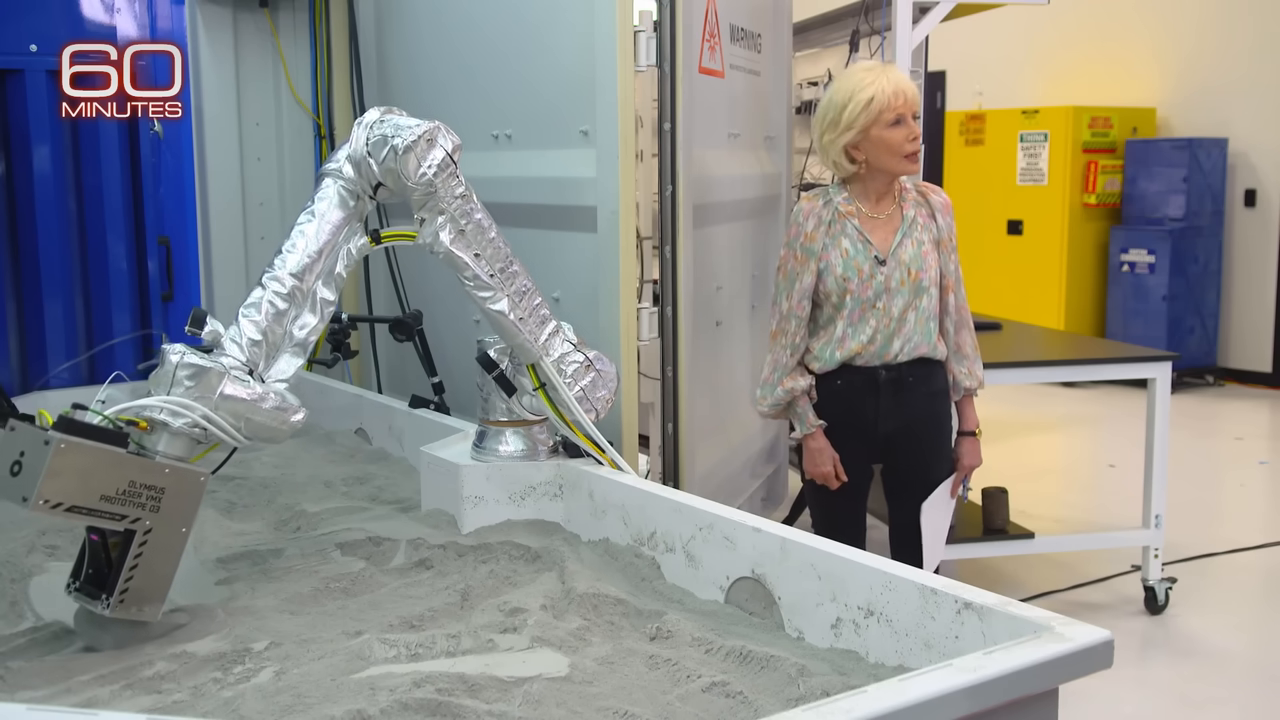
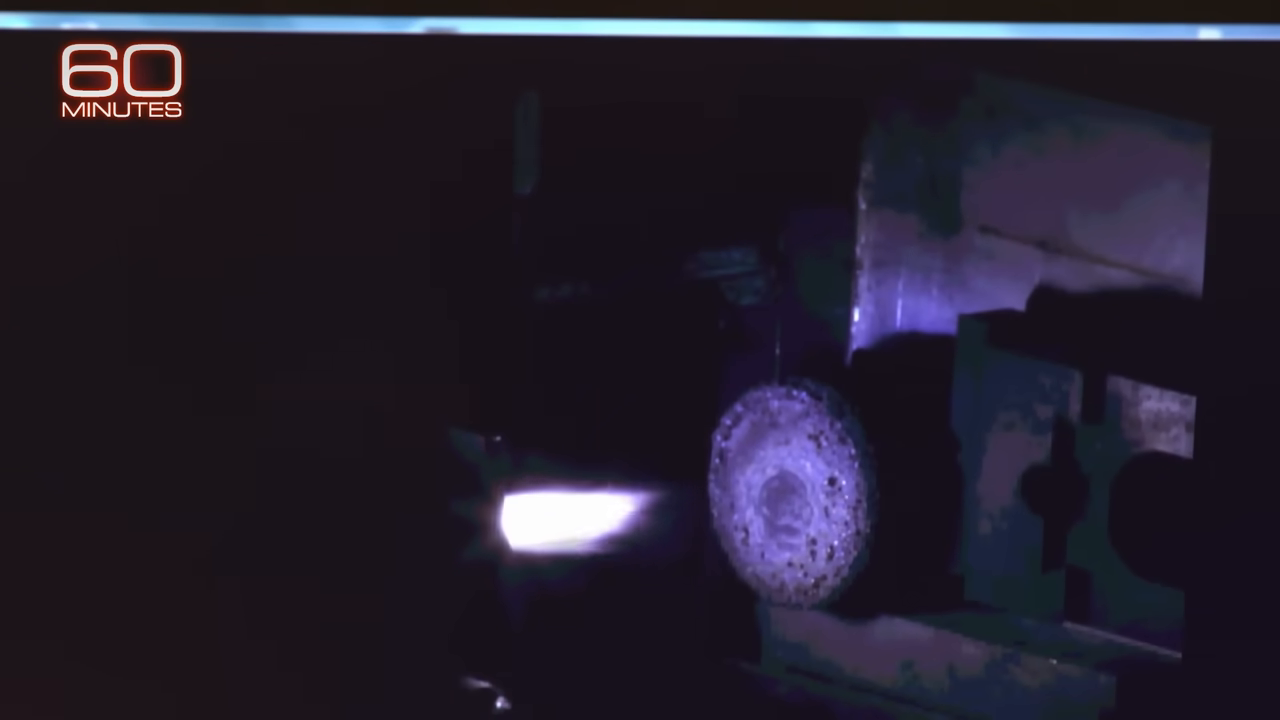
The challenge? No concrete on the Moon. No water. So ICON invented a system that uses high-intensity laser sintering to melt lunar regolith... the powdery moon dust that's been pummeled by asteroids for billions of years... into solid building material. The samples survived a 4,000-degree plasma torch. That's rocket exhaust temperature.
As NASA scientist Corky Clinton put it after visiting ICON's Austin operation: "I was really impressed with what they had accomplished."
Impressed enough to bet $57 million on it.
If the schedule holds, the first object ever built on another world will be built with ICON hardware. 🚀
What This Is Really About
This isn't just a construction story. It's a story about showing up.
A guy who almost became a priest instead built a company that houses the homeless AND prints buildings on the Moon. A team that crashed their robot into their own house hours before a deadline didn't quit. A 73-year-old man with decades of addiction found himself enveloped... not in cold concrete... but in something that felt like being embraced.
Light doesn't fight with darkness. It just shows up.
ICON is showing up. With robots. With concrete. With lasers and moon dust and a stubborn refusal to accept that the way we've always built is the way we always have to build.
Three months without food. Three days without water. Three minutes without hope. The war on hopelessness isn't fought with speeches. It's fought with shelter. With walls that don't burn. With someone deciding the forgotten get served first. What's your version of that? What broken thing are you quietly working to rebuild? 💪
Original video by 60 Minutes — Watch on YouTube ↗
Echoes
Wisdom from across the constellation that resonates with this article.
“Companies, countries battle to develop quantum computers | 60 Minutes – Companies and countries are in a race to develop quantum computers. The machines could revolutionize problem-solving in medicine”
— 60 Minutes | Companies, countries battle to develop quantum computers | 60 Minutes Same Expert
“3D printing homes on Earth, someday the moon | 60 Minutes – A Texas company — driven by a mission to create faster, better and more affordable housing — is 3D printing homes. It’s also working with NA”
— 60 Minutes | 3D printing homes on Earth, someday the moon | 60 Minutes Same Expert