
You're transmitting right now. Sitting there reading this... your posture, your breathing, the tilt of your head... all of it broadcasting something to anyone paying attention. The question isn't whether you're sending a signal. The question is whether you know what signal you're sending.
Joe Navarro spent 25 years with the FBI catching spies. Not with gadgets. Not with car chases. With his eyes.
He watched how people carried flowers.
That's not a metaphor. In one case, an American suspected of being a foreign mole walked out of a flower shop and held his bouquet facing down... the way they carry flowers in Eastern Europe, not the way most Americans hold them. That single observation cracked the case. When Navarro sat across from the man and said, "Would you like to know how we know?" and told him it was the flowers... the man confessed.
Flowers. Facing down. That's it.
We're All Transmitting
Here's what Navarro has spent decades trying to teach: nonverbal communication isn't some party trick. It's the ocean we swim in. We choose our clothes. We choose our pace walking into a room. We cross our arms, tilt our heads, compress our lips... and every single one of those micro-choices is broadcasting.
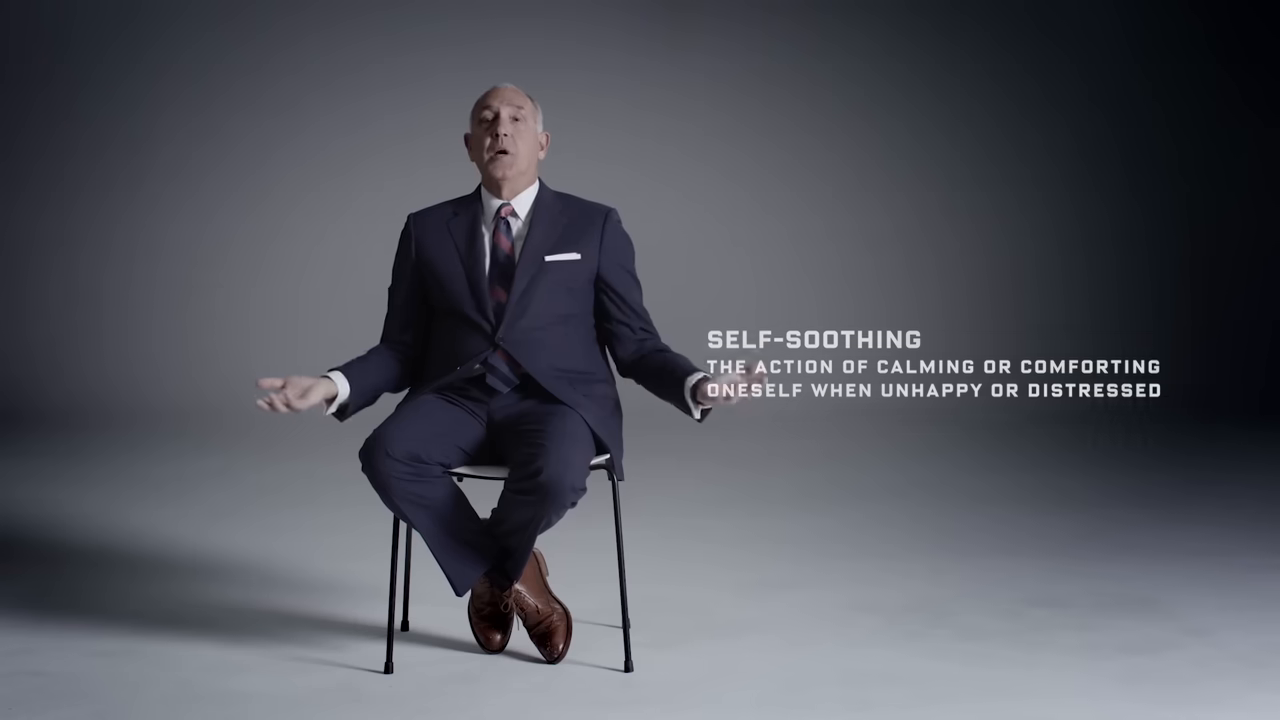
"We may think we're very sophisticated," Navarro says, "but in fact we are never in a state where we're not transmitting information."
Read that again.
Never. Not transmitting.
Our primary job in this life is to effectively understand other humans. And this man just handed us a masterclass in doing exactly that.
The Myths We Need to Bury
Let's clear the debris first.
Crossed arms don't mean someone is blocking you out. Navarro is direct about this: "That's just nonsense." Crossing your arms is a self-soothing behavior... essentially a self-hug. People do it more in public than in private. It's comfort, not combat.
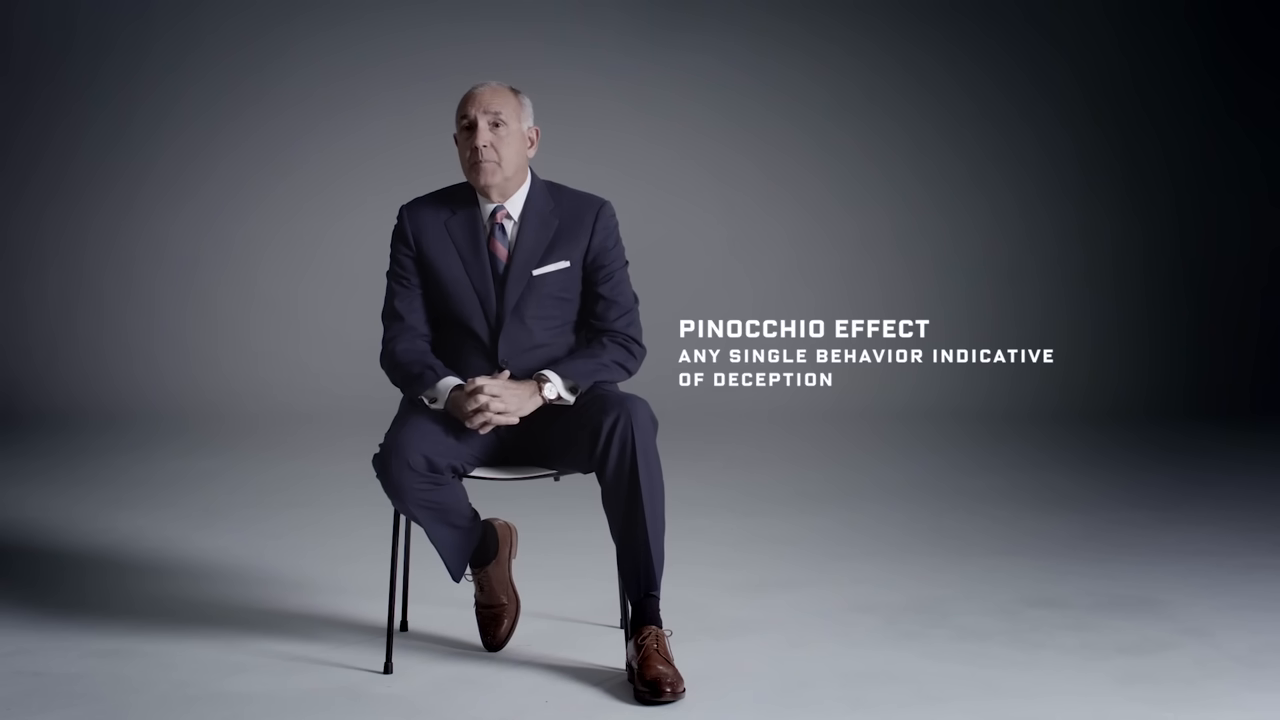
The Pinocchio Effect... the idea that some single behavior proves someone is lying? Doesn't exist. Not scientifically. Not empirically. Touching your nose, clearing your throat, covering your mouth... these are pacifying behaviors. They help us cope with discomfort. They don't prove deception.
"We humans are lousy at detecting deception," Navarro says plainly.
That honesty matters. Because how many of us have watched someone fidget and thought, "They're definitely lying"? We built a judgment on a myth. And that judgment cost us connection.
The Head-to-Toe Framework
Instead of chasing myths, Navarro offers a systematic framework... a behavioral observation method that moves from the top of someone's head to their feet:
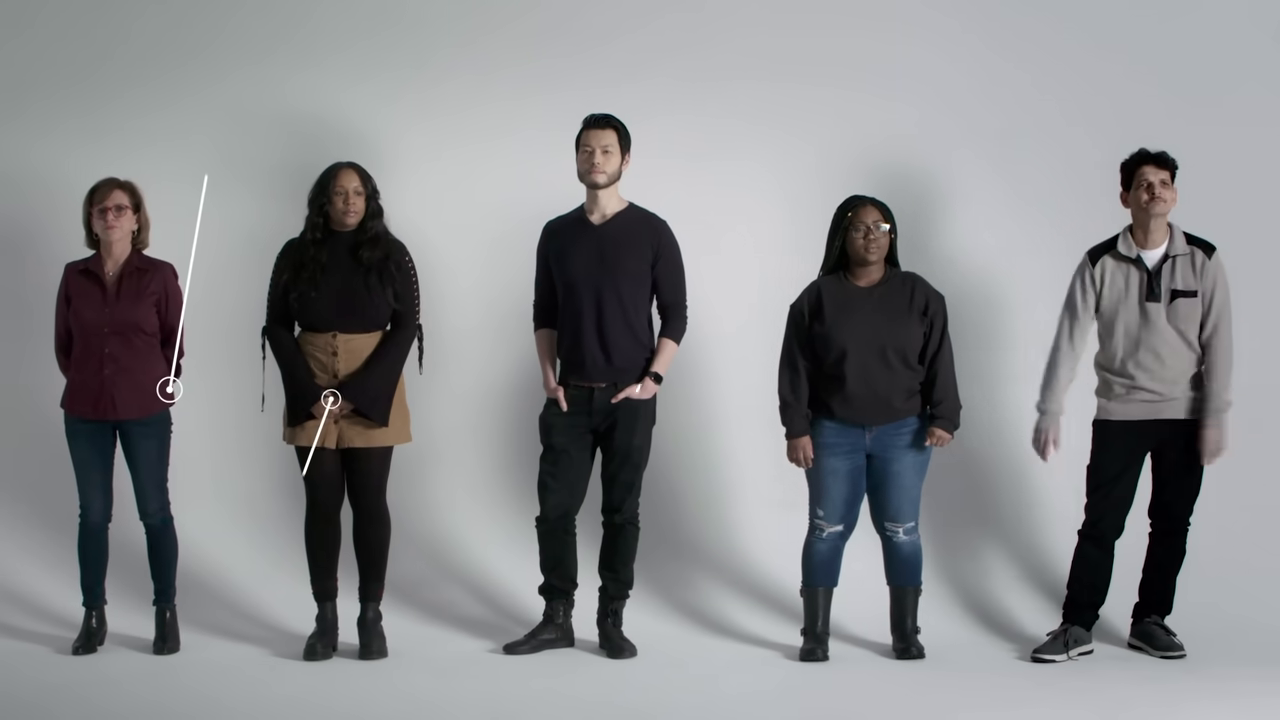
- Hair — Does it look healthy? Well-groomed? Or is there neglect?
- Forehead — Stress etches itself here. Life writes on this surface.
- Eyes — Red? Sleep-deprived? Blink rate tells a story you don't even know you're narrating.
- Glabella (that small area between the eyes) — One of the first places that reveals displeasure. The "bunny nose" of I don't like this.
- Lips — We compress them when bothered. Suck them in when something really hits.
- Neck — Head tilt means relaxation. When the tilt disappears... something shifted.
- Shoulders — Both shoot up fast when someone genuinely doesn't know the answer.
- Hands — Stiffened, interlaced fingers moving slowly like a teepee signal distress. A steeple signals confidence. Arms akimbo with thumbs forward? Curiosity, not aggression.
- Legs — Brushing hands on legs is self-pacifying.
- Feet — Withdrawal and crossing of feet when a hard question lands? That's discomfort talking.
This isn't about catching people in lies. It's about reading what someone needs in a given moment.
Stimulus and Response
Navarro's poker analysis drives this home beautifully. Before a single card is dealt, he's already collecting intelligence. Who's shifting in their chair? Whose shoulders ride high? Who reaches over to grab their own shoulder for comfort?
Then the cards come out and the baseline behavior shifts. Hands press down on valued cards... move away from worthless ones. Chip shuffling isn't a power move... it's self-soothing to survive the tension.
"It's their reactions to a stimulus," Navarro explains. That's the whole game... whether you're at a poker table, in a meeting, or sitting across from your kid who just went quiet.
What changed? What stimulus hit? And what is their body telling you that their mouth won't?
Why This Matters for the Rest of Us
You don't need to catch spies. But you need to see people.
The teenager who won't make eye contact. The colleague whose shoulders crept up three inches since Monday. The friend whose head tilt disappeared the moment you asked how they're really doing.
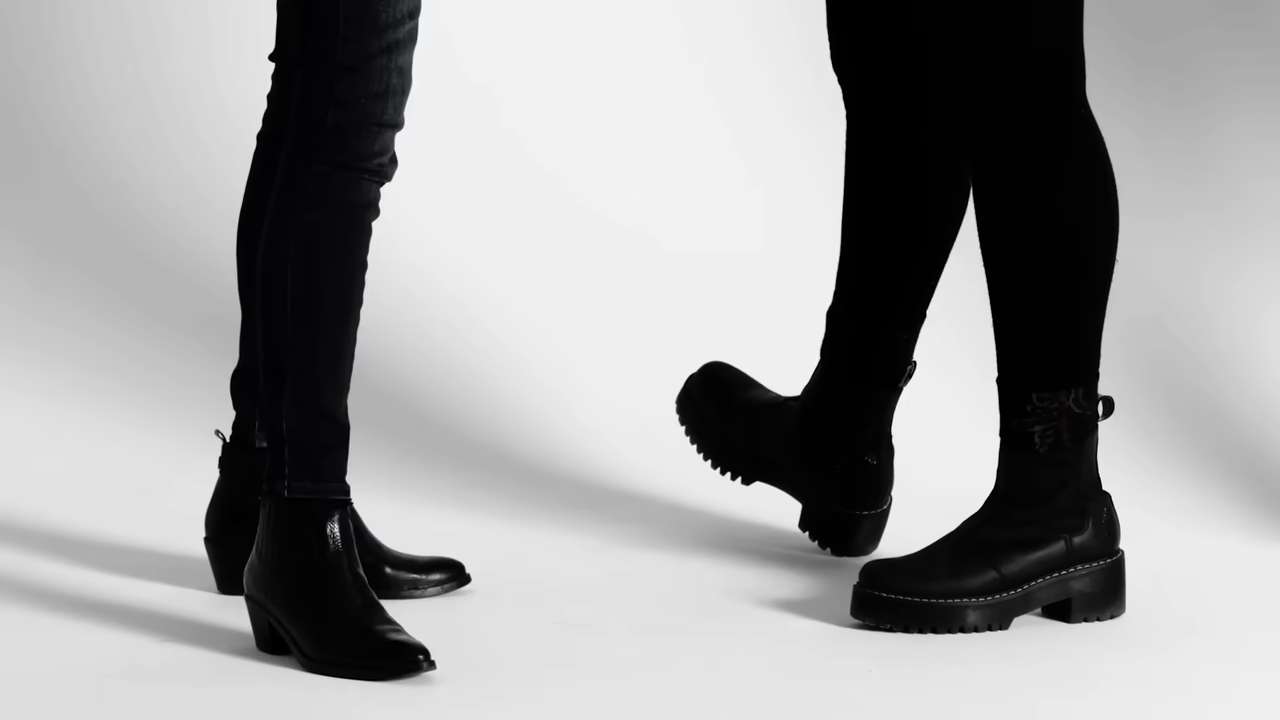
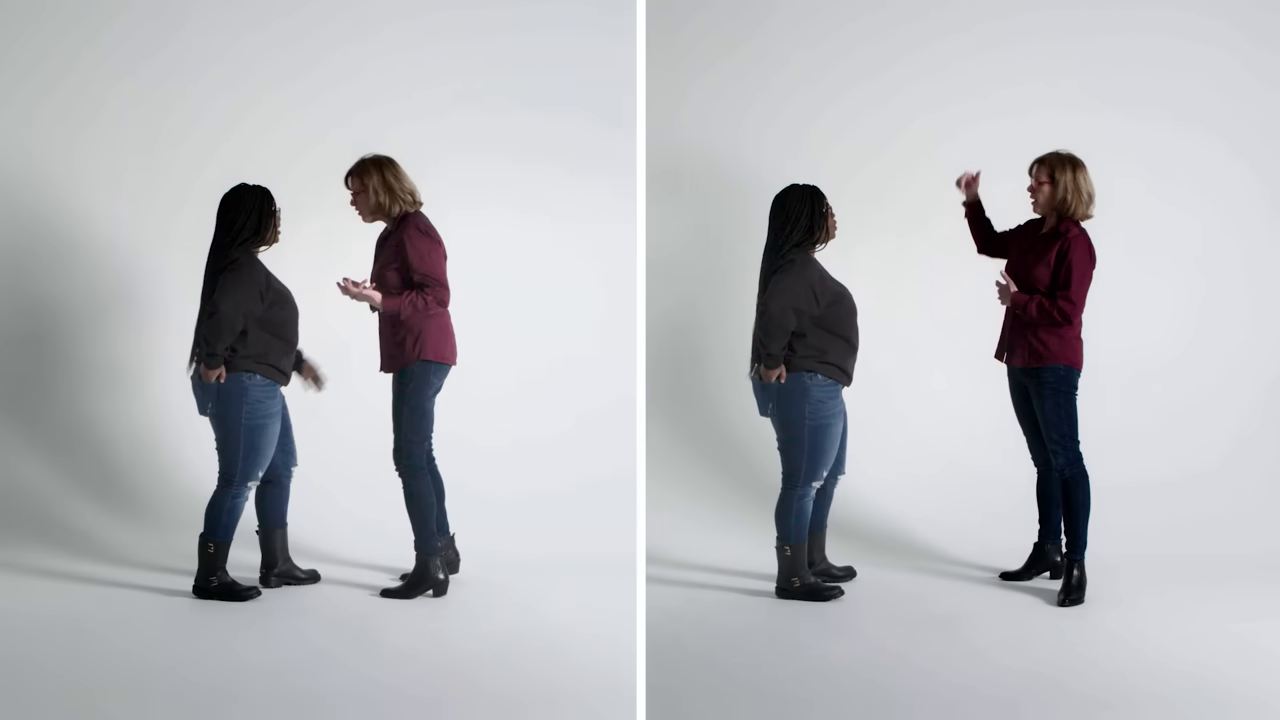
Personal space alone tells a story. In Navarro's demonstration, the moment he made two strangers aware of their spacing... they immediately adjusted. They rocked away from each other, feet shuffled, searching for the "perfect distance." We manage comfort unconsciously every single second. Bringing awareness to it changes everything.
Light doesn't fight with darkness... it just shows up. And awareness is its own kind of light. You don't have to diagnose anyone. You don't have to play amateur psychologist. You just have to notice. And then... respond with kindness to what you see.
Because the most powerful thing you can do with body language knowledge isn't to gain an advantage. It's to recognize when someone is hurting before they find the words to tell you.
Three months without food. Three days without water. Three minutes without hope. Sometimes the signal someone is sending isn't a power play or a deception. Sometimes it's a quiet, whole-body whisper: I need someone to see me right now.
Be the one who sees.
Navarro's gift isn't some FBI superpower. It's disciplined attention... the kind any human can develop. Start tomorrow. Pick one conversation and just watch. Not to judge. Not to decode. Just to see what someone is transmitting that they might not have the words for yet. Time multiplied by focus equals attention. And your attention... that might be the most generous thing you offer anyone this week. 💙
Original video by WIRED — Watch on YouTube ↗
Echoes
Wisdom from across the constellation that resonates with this article.
“Former FBI Agent Explains How to Read Body Language | Tradecraft | WIRED – Former FBI agent and body language expert Joe Navarro breaks down the various ways we communicate non-verbally. What does it “
— WIRED | Former FBI Agent Explains How to Read Body Language | Tradecraft | WIRED Same Expert
“The Ultimate Paper Airplane | WIRED – Over the last decade, designer Luca Iaconi-Stewart has been building an incredibly detailed model of a Boeing 777, right down to the tiny seats and moving landing”
— WIRED | The Ultimate Paper Airplane | WIRED Same Expert
“How This Guy Balances Impossible Rock Structures | Obsessed | WIRED – Michael Grab’s mind-bending rock formations aren’t held together by glue or steel rods. Shockingly, his rock piles are stacked usi”
— WIRED | How This Guy Balances Impossible Rock Structures | Obsessed | WIRED Same Expert