
A guy who lit lightsabers for Obi-Wan Kenobi spent hours teaching strangers how to chip fake rocks. For free. And somewhere in that generosity... there's a sermon none of us asked for.
Here's what caught me.
Not the Houdini wizardry. Not the Arnold Renderer settings or the procedural modeling sorcery. What caught me was a professional VFX lighting lead... someone who worked on The Book of Boba Fett and the Obi-Wan Kenobi series at Industrial Light & Magic and Image Engine... sitting down on his own time to give away knowledge at a level he called "almost like a paid course."
That's not content creation. That's service.
The Invisible Work That Makes Things Real
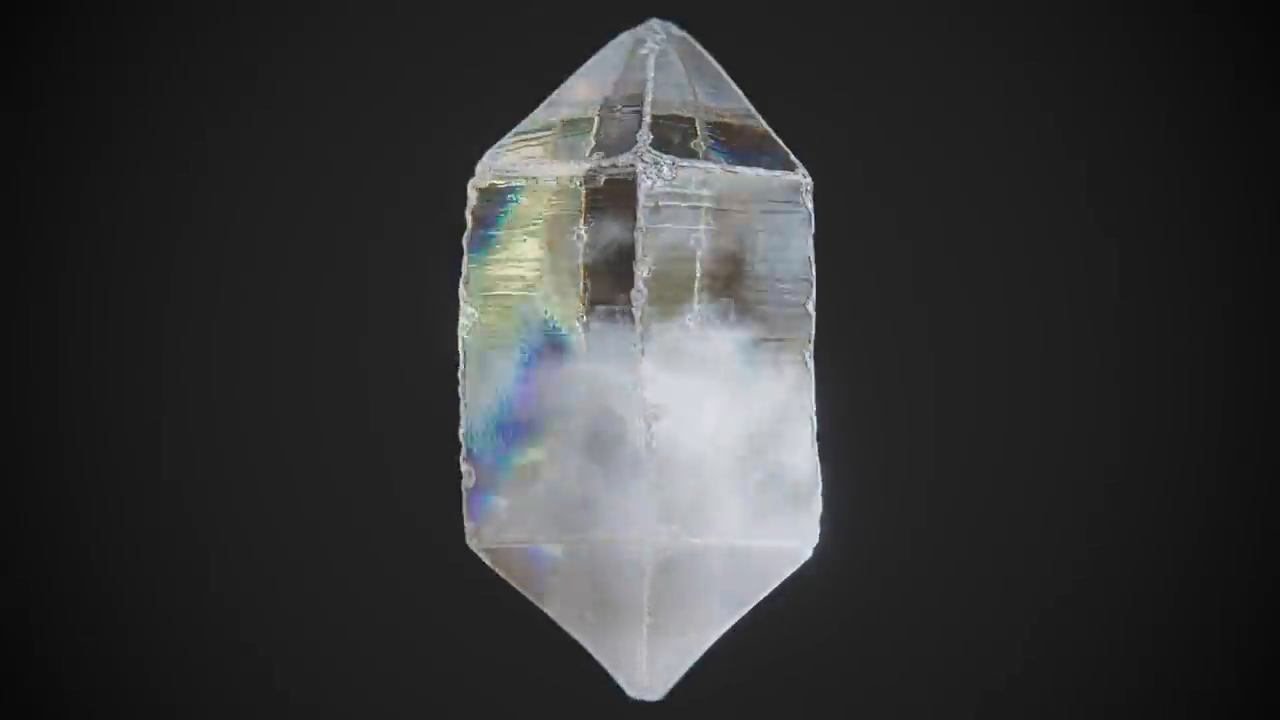
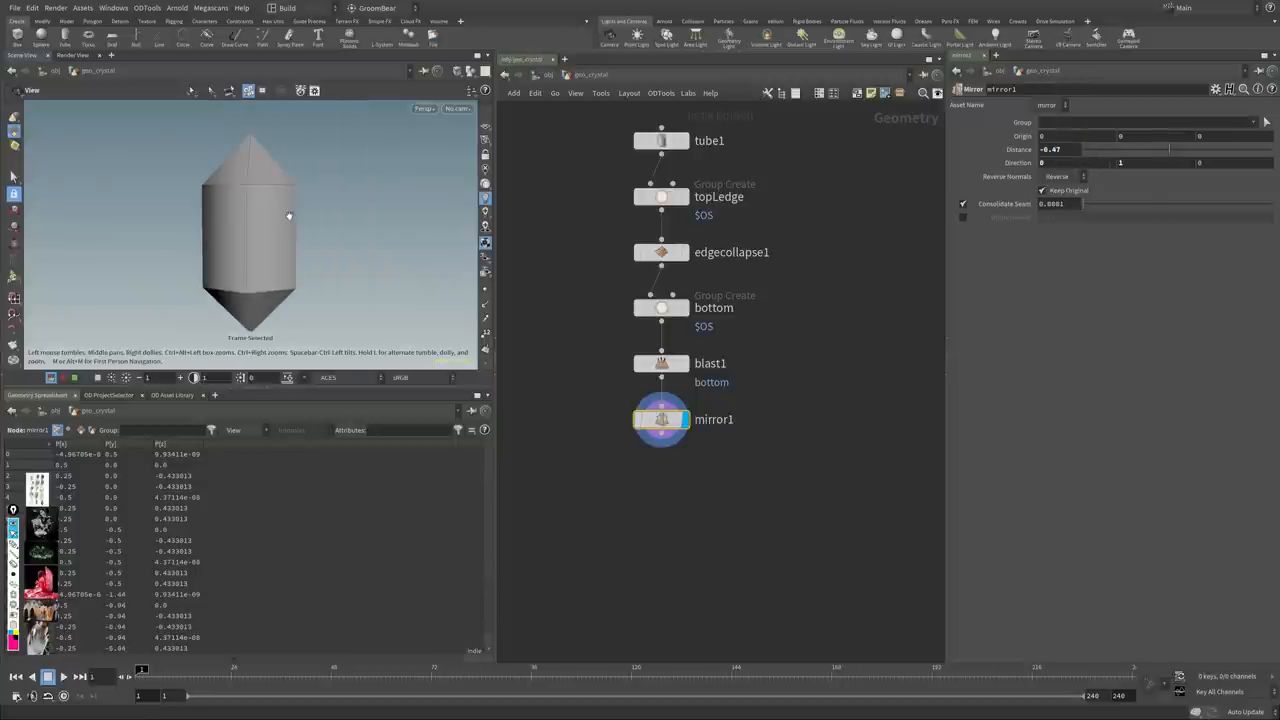
The tutorial walks through building a photorealistic crystal in Houdini. Step by step. Procedural geometry, VDB voxelization, edge damage, surface displacement, shader attributes... the kind of deep technical craft that most audiences will never notice in a final frame.
Think about that.
The entire discipline exists to create things so real you forget someone built them. The better VFX artists do their job, the more invisible the work becomes. Sound familiar? That's the definition of Quietly Working. Stage crew making magic happen so someone else's story shines.
And this creator? He doesn't just demonstrate the nodes. He explains the thought process. Why he makes each decision. Why he scales objects into a 1x1 unit space for consistent results. Why he bakes curvature and height data directly onto geometry instead of computing it in the shader at render time. Every choice is intentional.
Every. Single. One.
Brokenness as Detail
Here's where it got personal for me.
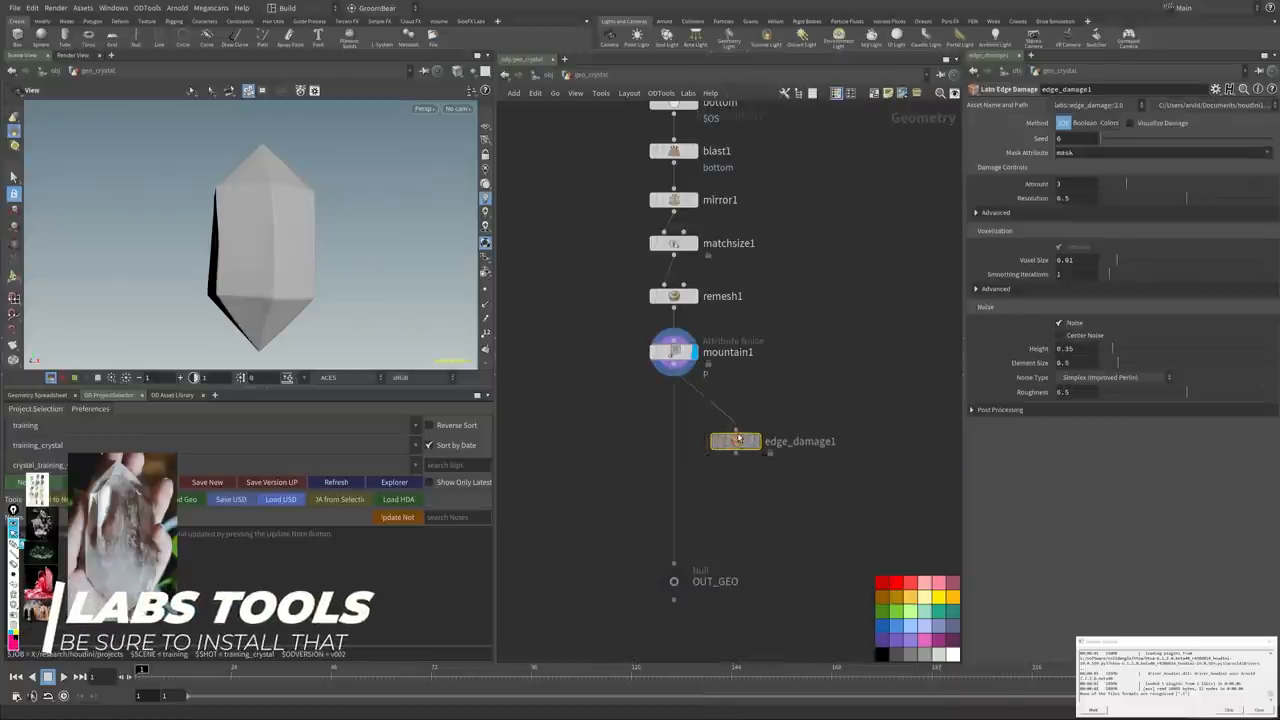
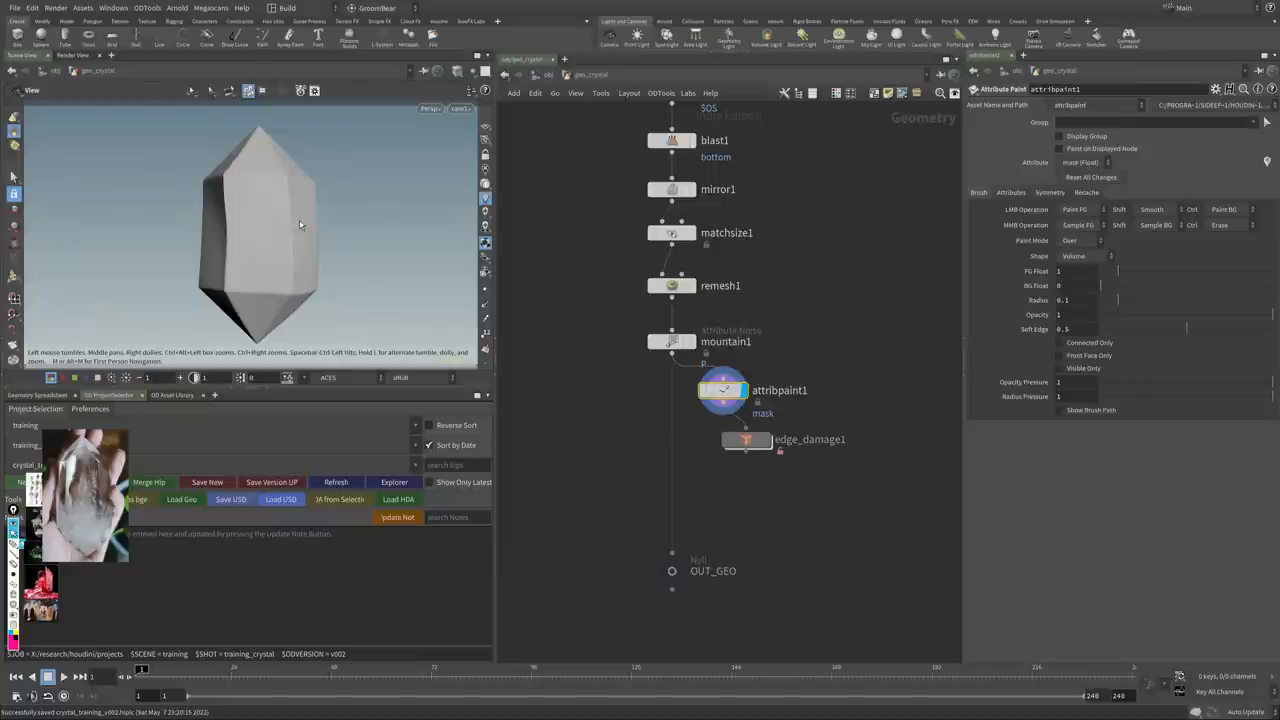
The entire tutorial is essentially about breaking things beautifully. The Labs Edge Damage node exists to add chips, fractures, and imperfections to a surface that would otherwise look too perfect... too CG. The artist literally dives inside the damage node to add a mountain node, creating even more detailed destruction than the tool was designed to produce.
The reference photo he keeps returning to? A real crystal. And what makes it real is that it's broken. The edges aren't clean. The surface isn't smooth. There are cracks running through it, horizontal stress lines, rough patches at the base where it grew out of something harder than itself.
Perfection reads as fake. Damage reads as real.
I keep saying brokenness is a superpower. Turns out, even in 3D modeling, the algorithm agrees. You want something to look authentic? You have to hurt it a little. You have to show where life happened to it.
The Craft of Showing Up
What struck me most was the rhythm of the work itself. This isn't a five-minute hack. It's a long, patient, iterative process. Adjust. Render. Evaluate. Adjust again. The artist says it plainly... "I just played around until I found something I liked." No shortcut. No secret formula. Just deliberate practice wrapped in curiosity.
He mentions the voxel size controls how detailed the edge damage gets. Too coarse and you lose the fine chips that sell realism. Too fine and your computer melts. The sweet spot lives in the tension between ambition and constraint. You work within limits to find beauty.
Time × Focus = Attention. That formula shows up everywhere if you're paying attention. This artist gave hours of focused time to a single crystal... one object... and the result carries weight because of that investment. Not because of some revolutionary technique. Because of presence.
Generosity as Architecture
Let's not skip past the community piece. He's running a CG Crystal Challenge through the CG Lounge community. Secured sponsorship for render credits so other artists can actually execute their visions. Built chapter markers so people can jump to exactly what they need. Released scene files on his Patreon so people can reverse-engineer his decisions.
This is infrastructure. Not for himself... for the people coming behind him.
When I see someone building scaffolding for others to climb, I recognize the architecture. It's the same blueprint. Help Others. The WHELHO wheel turns on it. You work hard. You enjoy the craft. And then you turn around and make the path clearer for the next person.
What a Fake Rock Teaches About Real Life
So what do we extract from a VFX tutorial about crystals?
Scale your problems to a manageable size before you try to solve them. That 1x1 unit space trick? That's wisdom wearing a technical hat. You can't process chaos at full scale. Bring it down. Make it workable. Then apply your tools.
Bake the important stuff into who you are. Don't compute your values at render time... when the pressure is on and the deadline is screaming. Embed them early. Let your character carry the weight so your performance doesn't have to.
And maybe most importantly... let yourself be damaged. Not destroyed. Damaged. With intention. With care. Because the chips and cracks and stress lines? Those are what make you look real to every other broken human who encounters you.
Light doesn't fight darkness... it just shows up. Even if that light is bouncing off a crystal that only exists inside a computer.
Somewhere today, someone is doing invisible work that makes someone else's story shine brighter. Somewhere today, someone is giving away what they could easily charge for. Somewhere today, someone is breaking a perfect surface... just enough... so the rest of us can recognize ourselves in it. 💙
Pay attention to the stage crew in your life. And if you ARE the stage crew... keep going. The crystal doesn't know it's beautiful until light hits the fractures.
Original video by Arvid Schneider — Watch on YouTube ↗
Echoes
Wisdom from across the constellation that resonates with this article.
“MtoA 509 | Leaf Shading | Realistic foliage using Arnold5 and Maya – In this video I will show you how to work with Quixel Megascans textures to create realistic leaves for shading and lighting your t”
— Arvid Schneider | MtoA 509 | Leaf Shading | Realistic foliage using Arnold5 and Maya Same Expert
“Get the Ultimate Gemstone Look with These Advanced Houdini and Arnold Techniques – Tips and tricks you probably didn’t know to make your renders more photorealistic. Join the VFX Community on Discord”
— Arvid Schneider | Get the Ultimate Gemstone Look with These Advanced Houdini and Arnold Techniques Same Expert
“Realistic Glass in Maya, Substance and Arnold using ACES 1.2 – Starting from scratch, modelling, texturing, shading and lighting – This will be a whole live session from A-Z. Any question please ask”
— Arvid Schneider | Realistic Glass in Maya, Substance and Arnold using ACES 1.2 Same Expert