
Picking the right game engine isn't about finding the best one. It's about finding yours. One developer built the same simple catch game in eight different engines... and accidentally proved something beautiful about how we create.
The Experiment
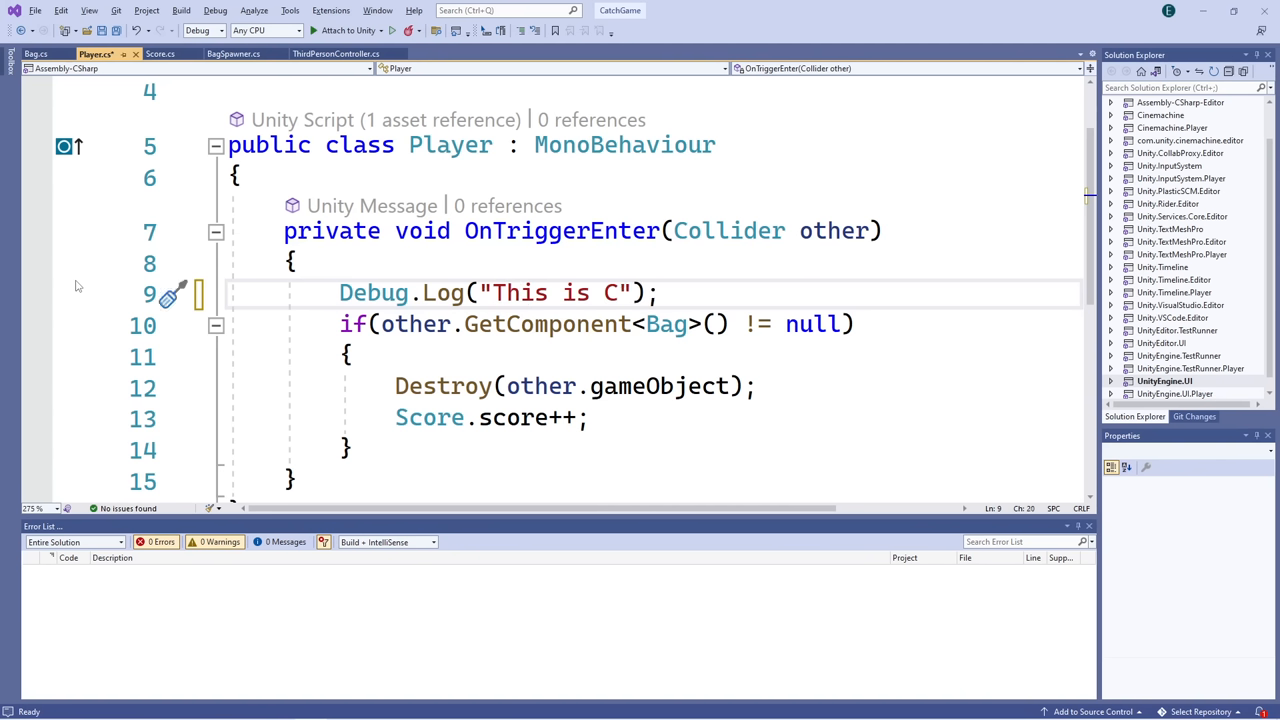
A developer sits down with Unity, Unreal Engine, Godot, GameMaker, Construct 3, GDevelop, RPG Maker, and Scratch. Same game. Eight builds. A player moves left and right. Objects fall from the sky. Catch them, score a point. Miss them, start over.
Simple.
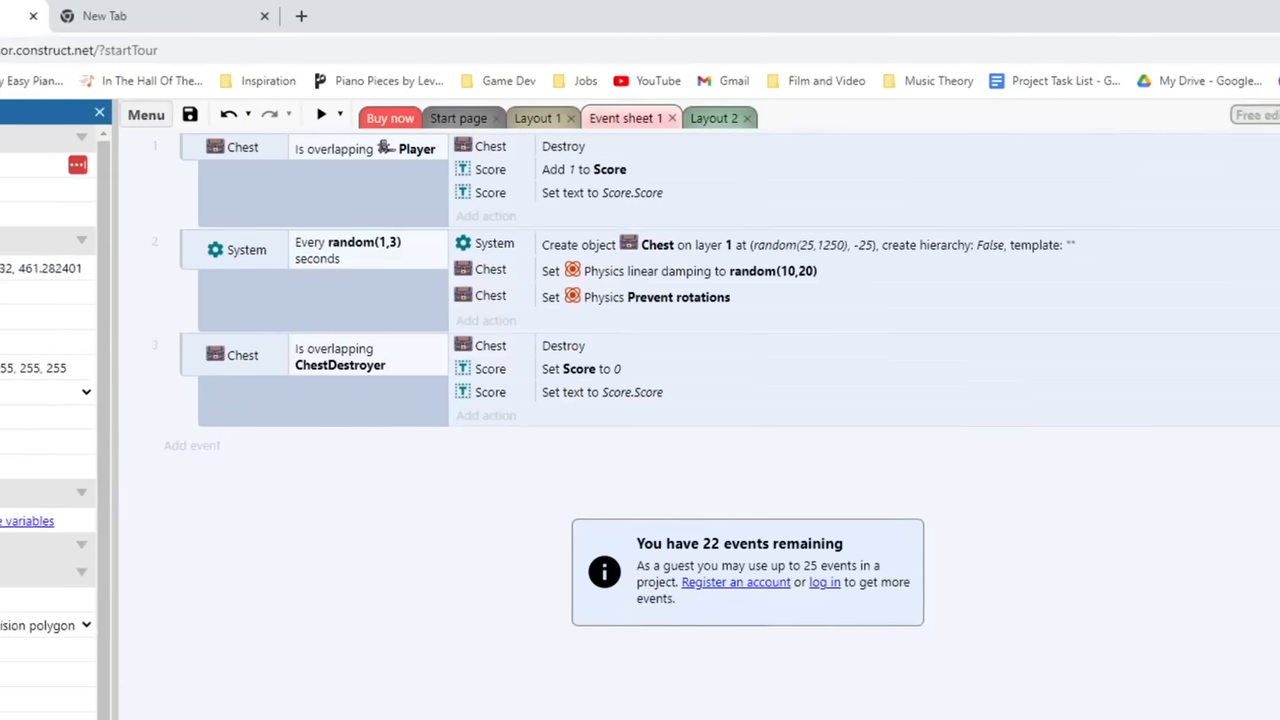
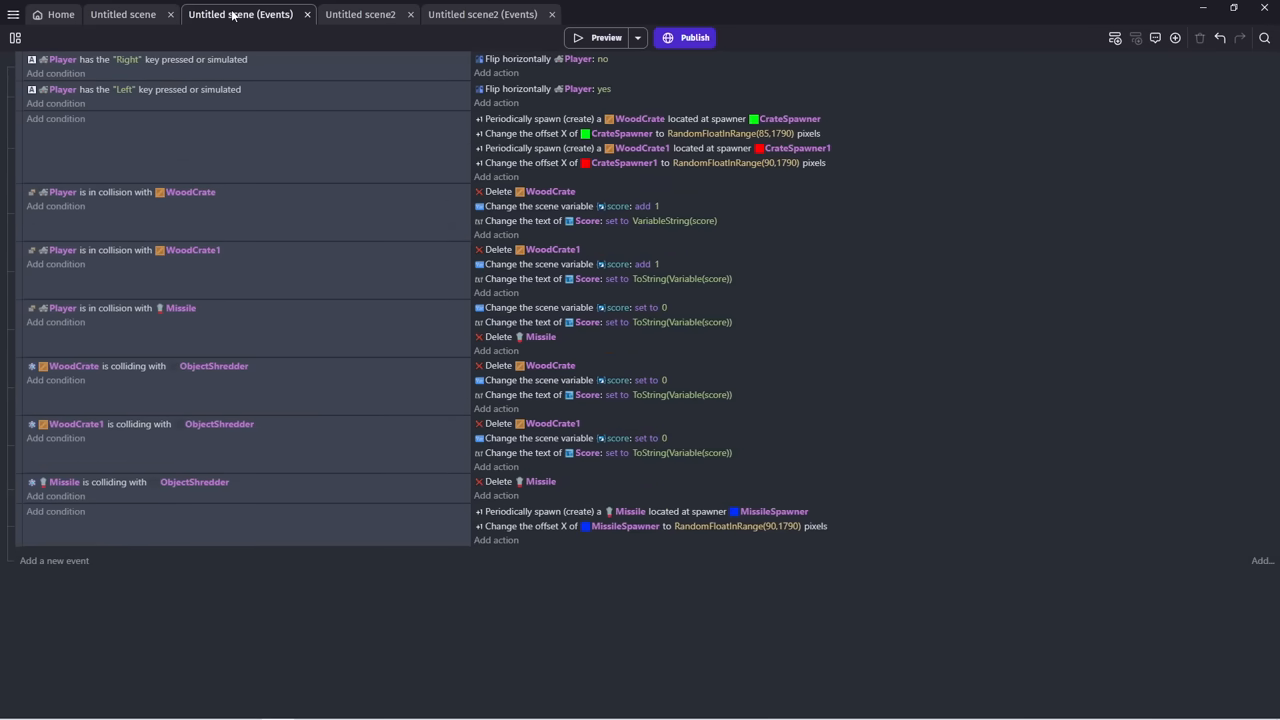
But here's what got me... every single engine produced a working version of that game. The game design patterns underneath... player movement, object spawning, collision detection, score tracking... they translated across all eight. The logic was engine-agnostic. The thinking was universal.
That hit different.
The Spectrum Is the Lesson
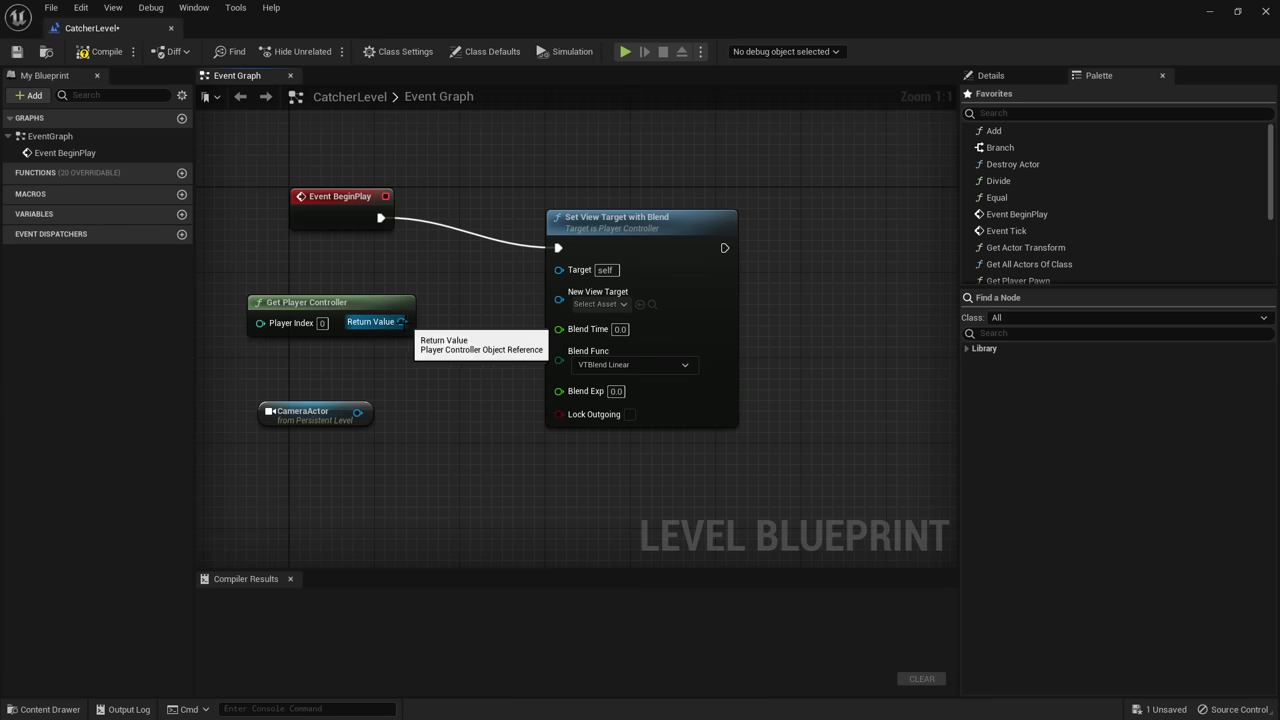
Unreal Engine sits at one end. Massive. Powerful. Gorgeous lighting that could make a factory scene look like a cathedral. But the developer's computer choked at 10 frames per second just trying to render it. It took an hour to build and export one scene. The learning curve? Steep enough to need climbing gear.
Then there's Scratch, built by MIT as an educational tool. You drag colored blocks of code onto a bowl of cheese puffs and make it catch fortune cookies. No joke. That's the actual game.
Both made the same catch game. Both worked.
See... this is what I love. The spectrum from Unreal Engine's photorealistic power to Scratch's block-based simplicity isn't a ranking. It's a mirror. It reflects where you are right now and where you're trying to go.
And where you are right now is a perfectly valid place to start building.
Meeting Builders Where They Are
The no-code development engines blew my mind a little. Construct 3 and GDevelop use behavior systems and event sheets instead of traditional programming. You add a "physics" behavior to a sprite... BAM, it falls. You set up a collision event... score updates. No C++. No C Sharp|C#. No syntax errors at 2 AM making you question every life choice.
For someone who's never written a line of code? That's not a shortcut. That's a door.
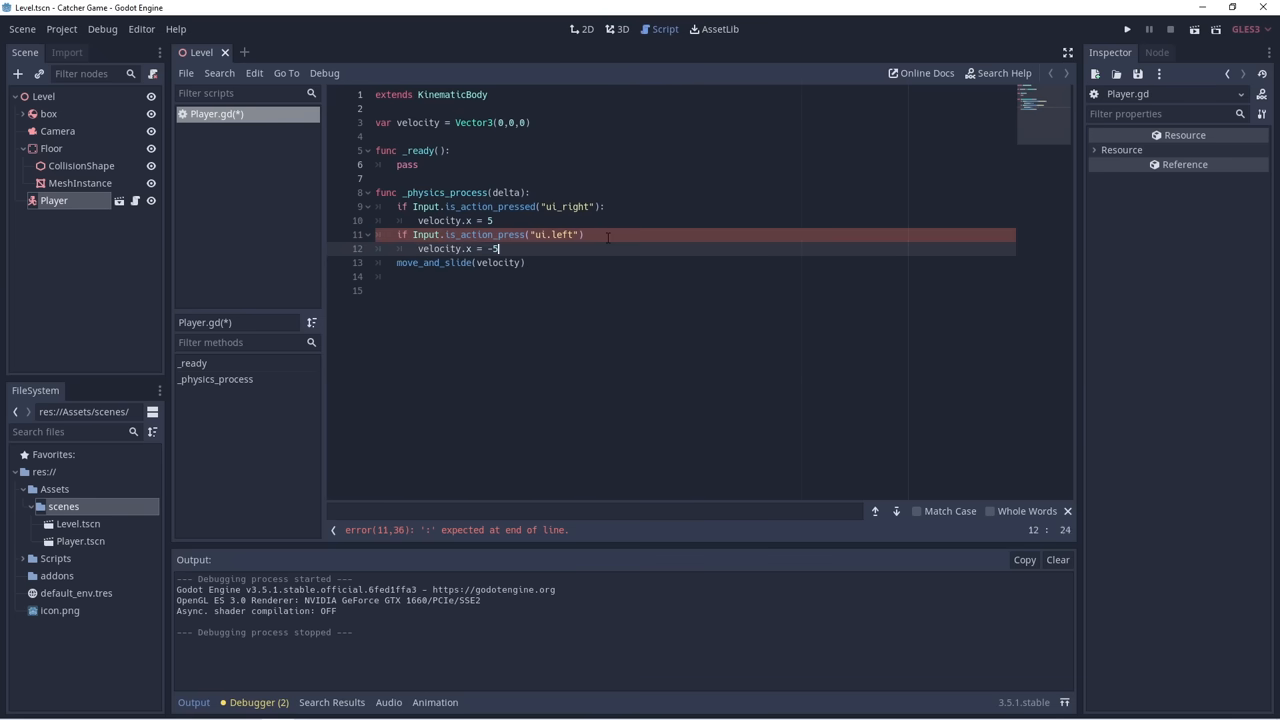
Godot landed somewhere in the middle and caught my attention. Completely open-source software|open source. Lightweight enough to run on humble hardware. Uses GDScript, which reads like Python... approachable, clean, forgiving. The community around it is passionate and generous. Someone in that community built a tool to import MagicaVoxel files directly into Godot just because it would help other creators.
Just... generosity.
That's the kind of ecosystem that grows something lasting. Not because of corporate backing or marketing budgets, but because people show up for each other. Quietly working.
What the Trade-offs Teach Us
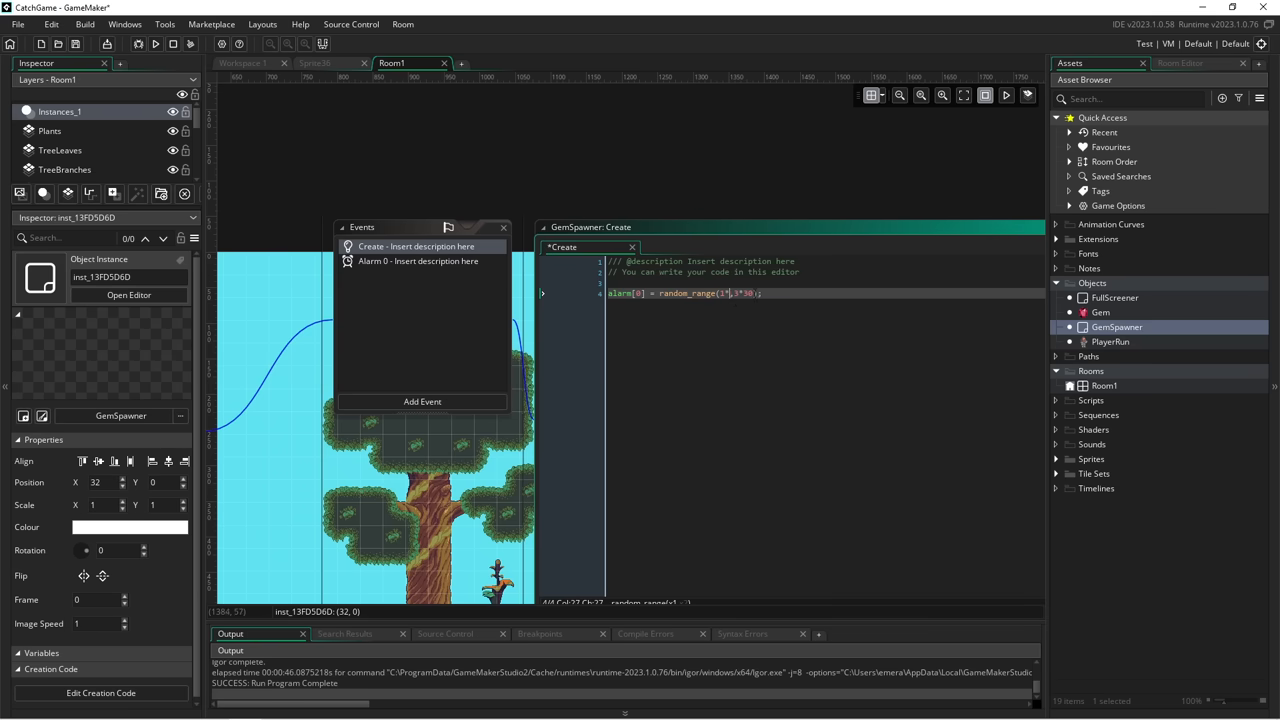
Every engine demanded a trade-off. Unreal Engine offers stunning visuals but requires powerful hardware and patience measured in hours. GameMaker excels at 2D game development with a charm and polish that makes building feel like play... but it's not built for 3D. RPG Maker ships with everything you need to make a classic JRPG... title screen, party system, tile sets that hit you right in the Super Nintendo nostalgia... but try to build something outside that genre and the walls close in fast.
Trade-offs aren't failures. They're features.
Think of it like hiring. You wouldn't hire the same person for every role. You'd match strengths to needs. A visual novel needs different muscles than a first-person shooter. A classroom teaching computational thinking through block-based visual scripting needs different tools than a studio pushing photorealistic open worlds.
What is it about? Answer that before you pick your engine. Before you pick your tool. Before you pick your path.
Defining what it's about before action saves you time, energy, and sharpens your focus.
The Universal Truth Underneath
Here's what I keep coming back to. The same fundamental pattern... move a character, spawn objects, detect collisions, track score... worked everywhere. The logic transferred. The thinking transferred. The creative problem-solving transferred.
The engine is the lightsaber. You're the Jedi.
Or maybe you're not a Jedi yet. Maybe you're a youngling staring at eight different training sabers wondering which one won't embarrass you. That's okay. Scratch exists for exactly that moment. So does GDevelop. So does Construct 3. They lower the barrier without lowering the ceiling of what you can eventually build.
Because visual scripting systems... whether they're Unreal Engine's Blueprints, Scratch's colored blocks, or Construct 3's event sheets... they all teach the same computational thinking that scales up when you're ready.
The ramp matters more than the summit.
The Real Comparison
Eight engines. Eight versions of the same game. Eight different workflows, languages, communities, and philosophies.
But only one builder each time.
The developer who made this video walked into seven engines they'd never used and walked out with seven working games. Not because the engines were easy. Because the thinking underneath game development is transferable. Learn the logic once... apply it everywhere.
Time × Focus = Attention. That developer gave focused attention to each engine, and each one yielded something real.
New things are exciting because they hold potential. But the magic isn't in the new thing. The magic is in what you extract from it.
So if you're a youngling staring at eight options wondering where to start... just start. Pick the one that matches where you are today, not where you think you should be. Build something small. Build something silly. Build a bowl of cheese puffs catching fortune cookies if that's what gets you moving.
The engine doesn't make the game. You do. And the thinking you develop with any of these tools? That transfers to everything else you'll ever build. 💙
Quietly working... one game at a time.
Original video by Emeral — Watch on YouTube ↗
3D Gaussian Splatting: 10 Reality-Bending TricksGaussian Splatting is democratizing photorealistic 3D capture of reality across eight powerful use cases spanning memoryRealm-Work, Craft MasteryThe TRUTH about shooting at ISO 100 that the PROS ISO is a gain control, not a noise generator… underexposing at low ISO and brightening later produces worse results thRealm-Recreation, Realm-WorkGet the Ultimate Gemstone Look with These AdvancedA professional VFX lighting lead’s free crystal tutorial reveals deep parallels between procedural damage in 3D modelingRealm-Mind, Realm-Work
Echoes
Wisdom from across the constellation that resonates with this article.
“I Made the Same Game in 8 Engines – ➤ Discord – https://discord.com/invite/Mg86kjrhUj ➤ Play my games – https://emeralgames.itch.io/ ➤ Support me – https://www.buymeacoffee.com/emeral ➤ Twitter – http”
— Emeral | I Made the Same Game in 8 Engines Same Expert