
A dad drops $10,000 in real cash on the kitchen table next to a Monopoly board. His seven-year-old suddenly becomes a financial strategist. Not because he got smarter... but because the money got real.
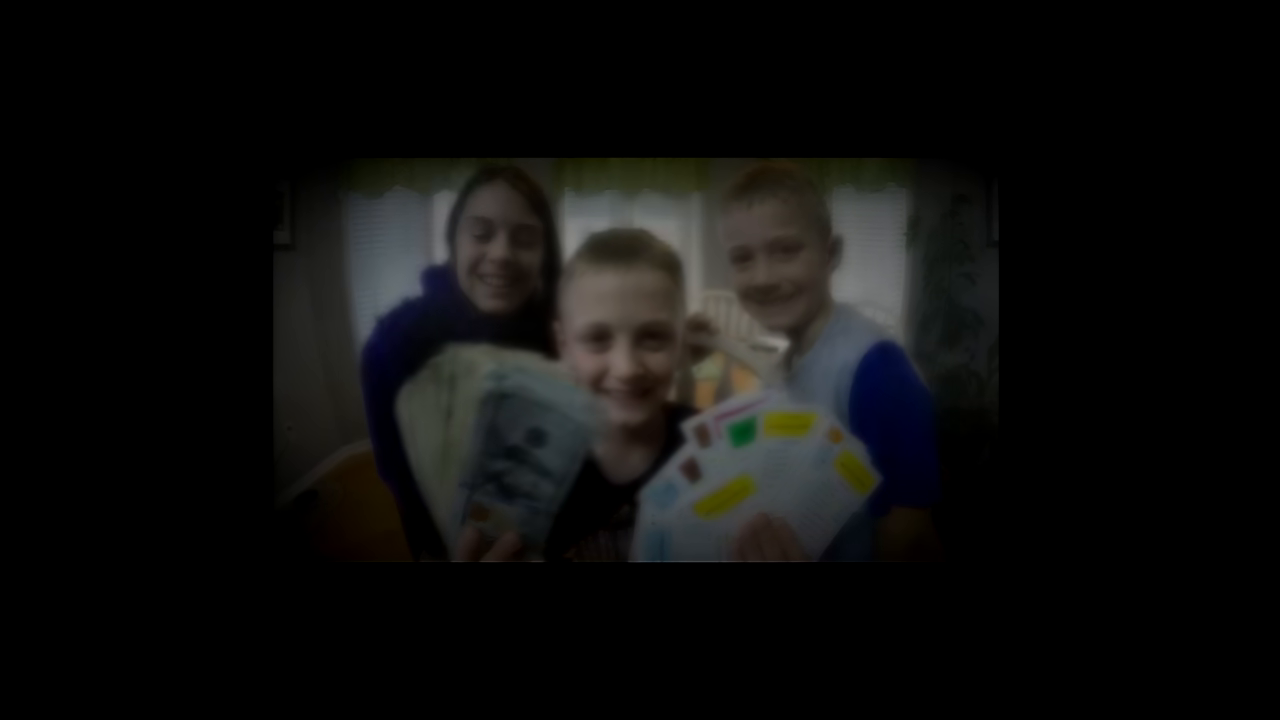
Adam Carroll ran what he calls an "unsanctioned, unsupervised psychological experiment" on his kids. He swapped Monopoly money for actual US currency... $10,000 worth... and watched what happened.
What happened was everything.
His youngest son, the kid who normally bought every single property he landed on without blinking, started doing math in his head. How many rolls to his brother's hotel? How much would he owe? Could he survive the hit? Real money turned a reckless seven-year-old into a careful calculator.
His middle son skipped Boardwalk entirely. Went straight for the affordable properties. Put hotels on Oriental and Baltic. When asked why, the kid said, "Dad, they're just more affordable properties."
That sentence should stop every parent in their tracks.
The Invisible Problem
Here's where it gets uncomfortable. Carroll points to a concept called financial abstraction... the idea that as money becomes less tangible, it becomes less real in our minds. And when money stops feeling real, consequences stop feeling real too.
Think about it. Only 4% of the trillions of dollars moving through the global economy every day exists as physical coin or currency. Four percent. The rest is data. Ones and zeros. Invisible.
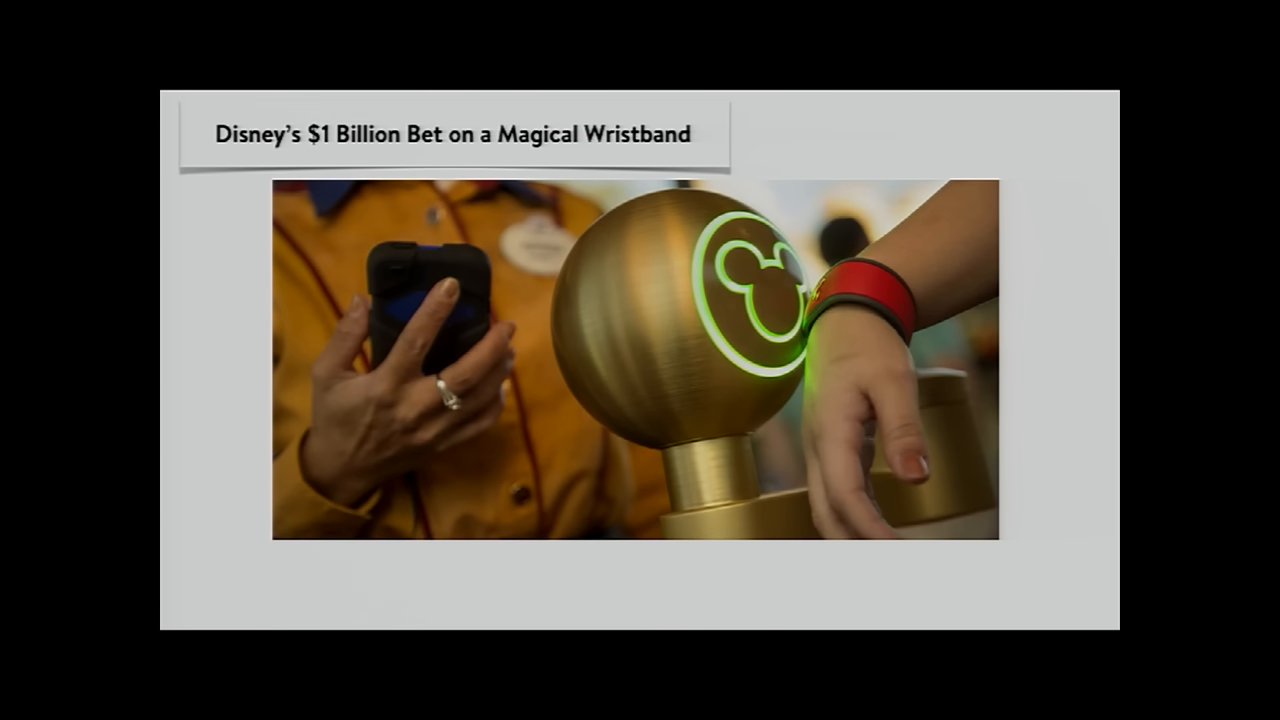
Our kids are growing up in a world where they almost never see money change hands. They see phones wave over sensors. They see thumbprints unlock purchases. They see magic bands at Disney make things appear... bibbidi-bobbidi-boo... and the vacation costs three times what you planned.
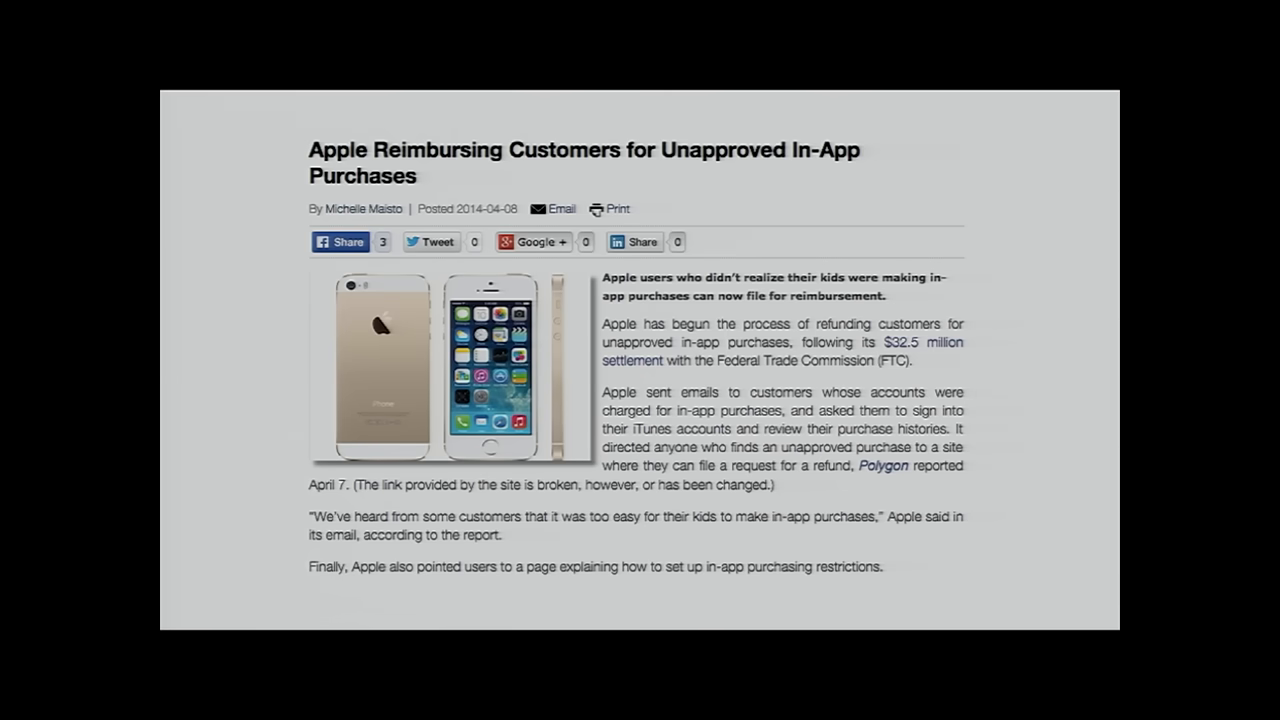
The U.S. Federal Trade Commission forced Apple to reimburse $32.5 million in unapproved in-app purchases... mostly made by children. Because it was just too easy. No friction. No weight. No reality.
Teenagers Carroll spoke with said $100,000 a year "really wasn't that much money." Why? Because they each had $500,000 in their Grand Theft Auto ATM machines.
Let that land.
The Downstream Wreckage
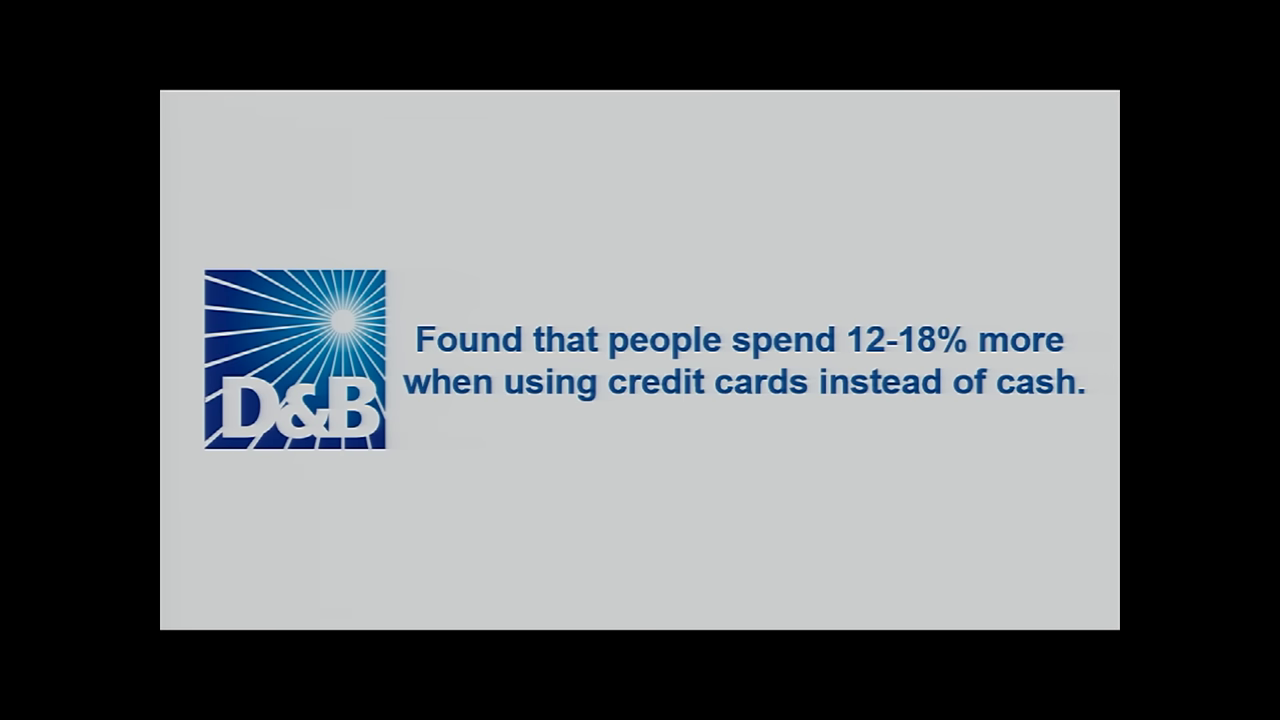
This isn't theoretical. Dun & Bradstreet found people spend 12 to 18 percent more when using credit cards over cash. Carroll suspects digital wallets and wearable payments push that number even higher.
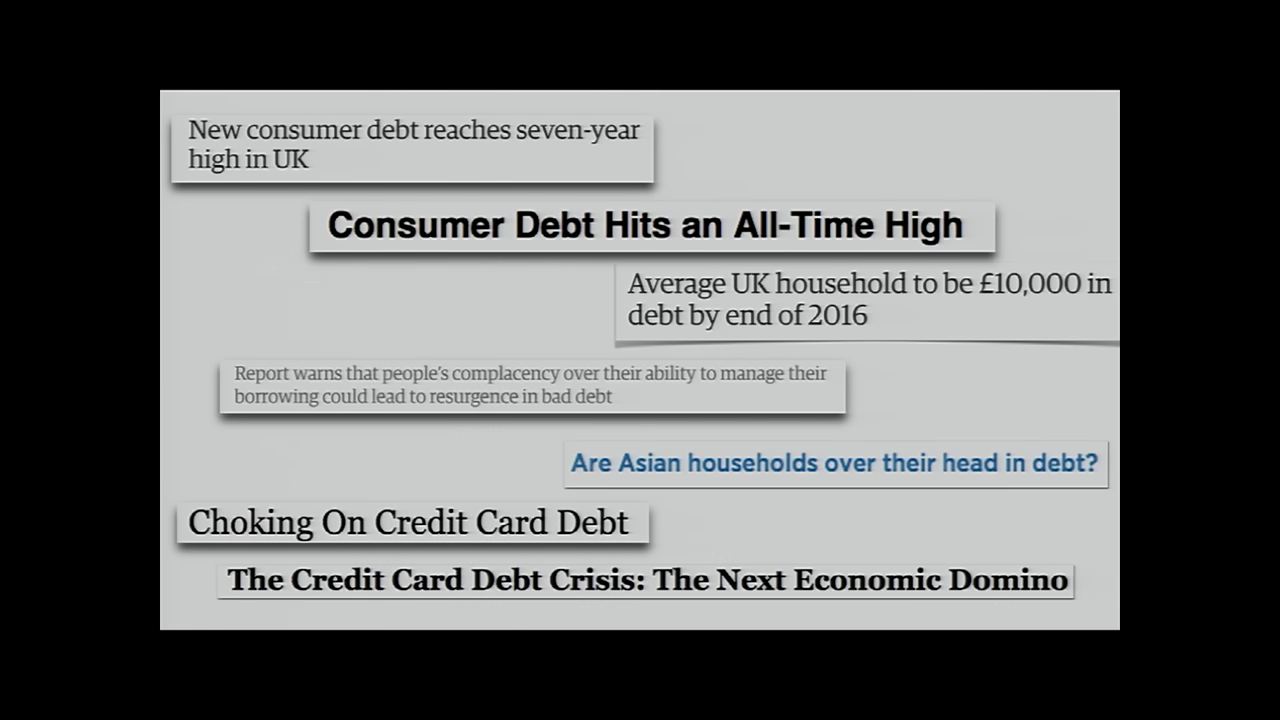
The headlines write themselves. Consumer debt at a seven-year high. Student loan debt at $1.2 trillion in the US alone. One in five borrowers in default. Americans aged 25 to 34 have the second highest rate of bankruptcy.
In the UK, one person every five minutes and three seconds is declared insolvent or bankrupt. Five minutes. That's not a statistic... that's a timer running right now.
And Carroll's diagnosis is painfully simple: the money they're spending isn't real to them. It never was.
What Actually Works
Here's where the Center for Creative Leadership research lights the path. They studied over 200 top executives and found a common thread: early in their careers, they'd been thrown into roles requiring real decisions with real consequences. And they had mentors helping them extract the lessons.
Carroll maps this directly onto financial literacy. If kids are given financially relevant experiences early... and someone is there to help them learn from those experiences... they have a higher likelihood of financial success later.
Not lectures. Not apps. Not gamified savings tools. Real money. Real choices. Real consequences. With real guidance.
He tells the story of Jose, a 20-year-old whose Cuban-born parents gave him food, shelter, and $50 a month starting at age 15. Everything else... clothing, toiletries, entertainment, gas... was on him. Jose resented them for a year. Then realized it was the single best thing they ever did. By 20, he had a full-ride scholarship, $20,000 in savings from a part-time high school job, and what Carroll describes as "unmistakable leadership potential."
The Simple Start
You don't need $10,000 and a Monopoly board. You need intention.
Give kids a set amount of money and let them spend it. Let them feel it leave their hands. Let them succeed or fail with minor consequences so the major ones don't destroy them later.
For older kids... set a budget for school clothes or supplies. Hand them the cash. When it's gone, it's gone. They spend it. You guide subtly.
Every child from five years old needs some tangible amount of money weekly. Not because cash is the future... it isn't. But because the habit of feeling the weight of a financial decision is what builds the neural pathways for navigating a cashless society later.
Better to teach saving when they have a little to save... than when they're drowning and there's nothing left to learn with.
This is a War on Hopelessness issue. Because a generation buried in debt they never saw coming, spending money that never felt real, making payments that slowly strangle their dreams... that's a generation losing hope. Three months without food, three days without water, three minutes without hope. Financial despair steals hope faster than most of us realize.
The next generation inherits the global economy we hand them. We owe them better than an illusion.
The money isn't real anymore. But the consequences are devastatingly real. Every swipe, every tap, every frictionless transaction teaches our kids that spending has no weight. We can't wait for schools or governments to fix this. The kitchen table works just fine. Hand them real money. Let them choose. Be the mentor standing nearby... not hovering, not lecturing... just quietly working to make sure they learn the lessons that will carry them. 💙
Original video by TEDx Talks — Watch on YouTube ↗
3D Gaussian Splatting: 10 Reality-Bending TricksGaussian Splatting is democratizing photorealistic 3D capture of reality across eight powerful use cases spanning memoryStewardshipThe REAL Reason Nobody Knows What’s Coming NextAI-driven job displacement threatens not just livelihoods but human identity and meaning, and the speed of this transitiStewardshipWhy Being Delusional is a SuperpowerEgocentric bias blinds us to our own luck, making the successful less generous… but the paradox is you need that blindStewardship
Echoes
Wisdom from across the constellation that resonates with this article.
“Pair every financial experience with mentorship… not lectures, but guided reflection on what happened and why”
— TEDx Talks | When money isn’t real: the $10,000 experiment | Adam Carroll | TEDxLondonBusinessSchool Same Expert
“Create low-stakes financial experiences with real consequences before high-stakes adult decisions arrive”
— TEDx Talks | When money isn’t real: the $10,000 experiment | Adam Carroll | TEDxLondonBusinessSchool Same Expert
“Set budgeted amounts for older kids’ expenses (clothes, supplies) and let them manage the spending with subtle guidance”
— TEDx Talks | When money isn’t real: the $10,000 experiment | Adam Carroll | TEDxLondonBusinessSchool Same Expert