
Twenty-seven VFX shots. The entire film. One of the most iconic "effects movies" in cinema history runs on fewer visual effects than a 30-second car commercial. Let that land for a second.
Corridor Crew recently sat down with Captain Disillusion (appearing, naturally, as his unpaid intern "Alan" after 14 years of service 😅) to dissect visual effects from Back to the Future, David Copperfield's flying illusion, viral TikTok tricks, and that bonkers first-person sequence from Doom (2005). What they uncovered isn't just a filmmaking lesson. It's a life principle hiding in plain sight.
Restraint Is the Real Superpower
When Robert Zemeckis built Back to the Future, Terminator had just dropped. Electricity was the visual language of the moment. Zemeckis said no. No electricity. He wanted time travel to feel ugly... like you're piercing something, breaking it open. Not pretty. Not safe.
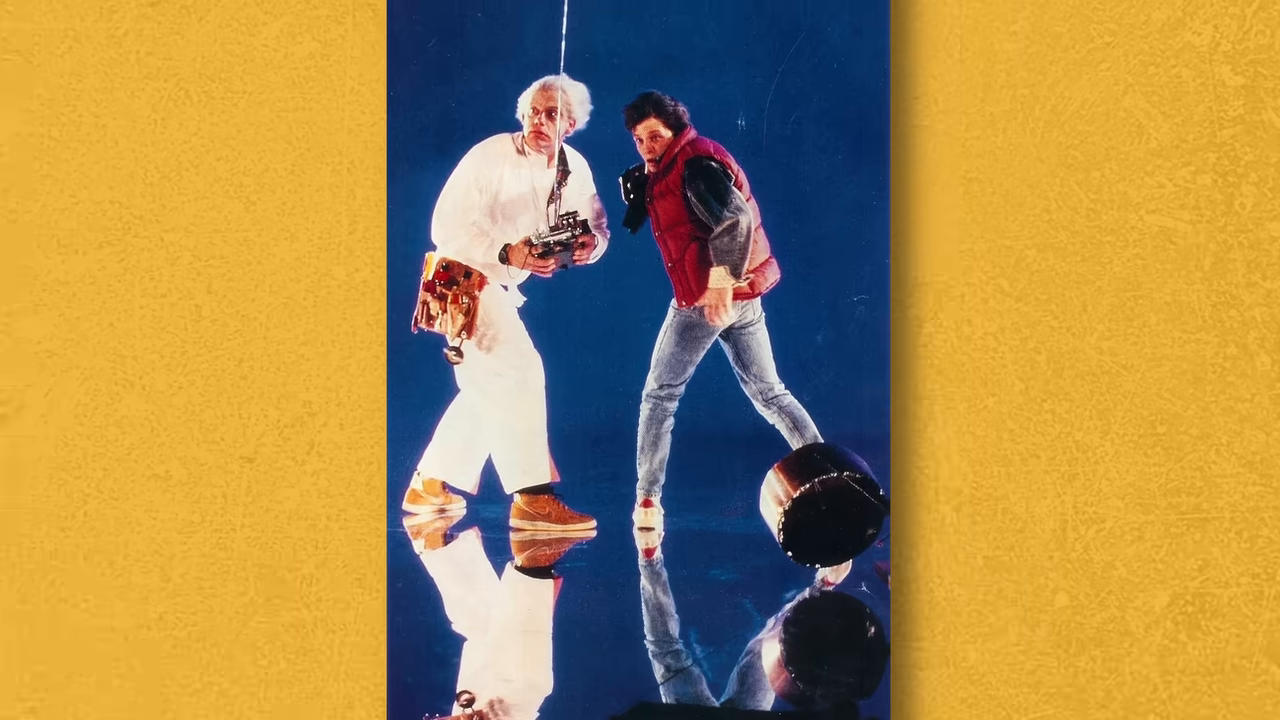
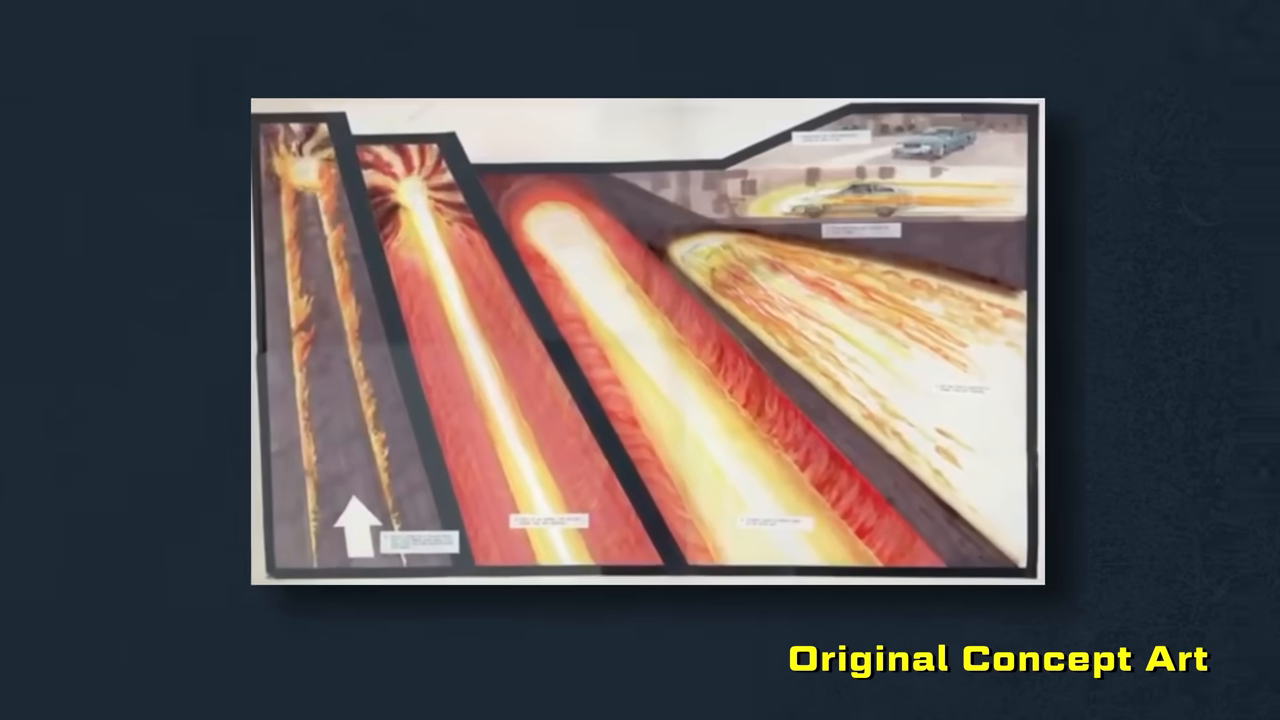
Twenty-seven shots. Hand-drawn lightning by a single artist. Actors standing on mylar instead of glass to nail a reflection. Crude explosions played forward then reversed.
And nobody in the theater thought it was fake. The kid watching it for the first time? His brain didn't register "visual effect." It registered cool.
That's intentional restraint at work. Not cutting corners... cutting to the bone. Every shot earned its place because somebody asked the hardest question first: What is it about?
Strip the excess. Trust the story. The spectacle follows.
The Thinnest Wire You Can't See
David Copperfield's legendary flying illusion runs on an array of one-millimeter wires. One millimeter. The crew talked about how they've tried fishing line, thread, everything... and the string always shows up on camera. Always.
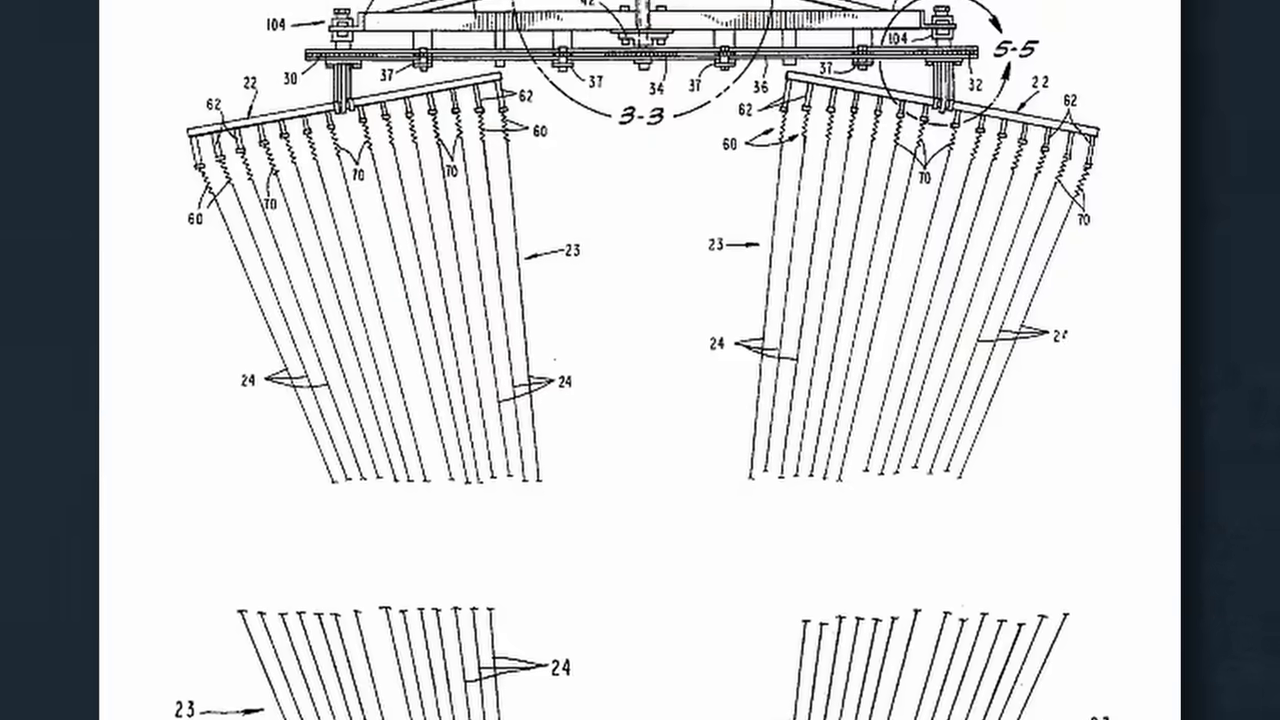
But Copperfield's team solved it. Not with bigger technology. With thinner commitment to craft. Standard definition helped. Moving backgrounds helped. But at the core, somebody said: "We will make this wire so impossibly fine that physics itself becomes our collaborator."
The Corridor crew made an observation that stopped me: "We're so used to seeing the spectacular be faked these days that when the spectacular turns out to be real, it's very refreshing."
Read that again.
In a world drowning in CGI, practical effects punch harder because they carry weight. Real weight. When actors in the Peter Pan flying sequences dangled from 150-foot cranes suspended from helicopters... they stumped professional VFX artists. Not because the technology was advanced. Because it was real.
Sometimes the most powerful thing you can do is just... actually do the thing.
The Bluetooth Hose and the Art of Misdirection
A guy on TikTok went viral with a "Bluetooth hose"... water flowing with no visible connection. The internet lost its collective mind. Captain Disillusion and the crew broke it down like surgeons.
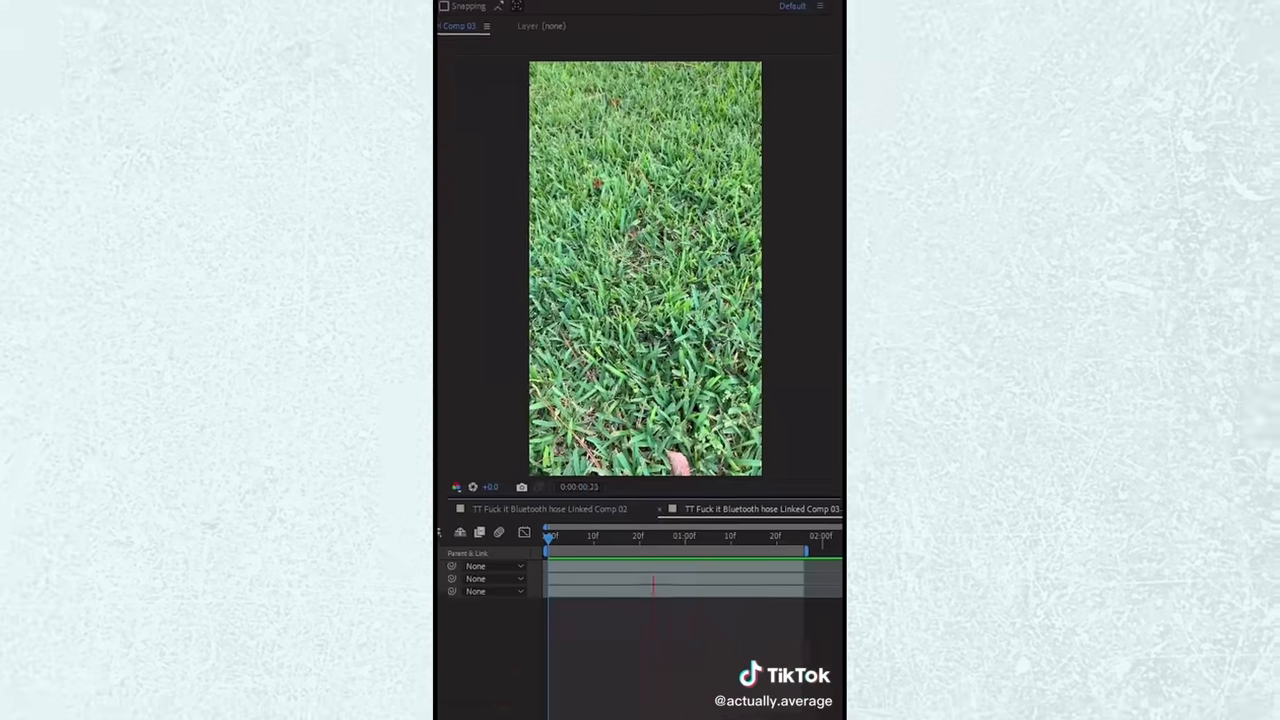
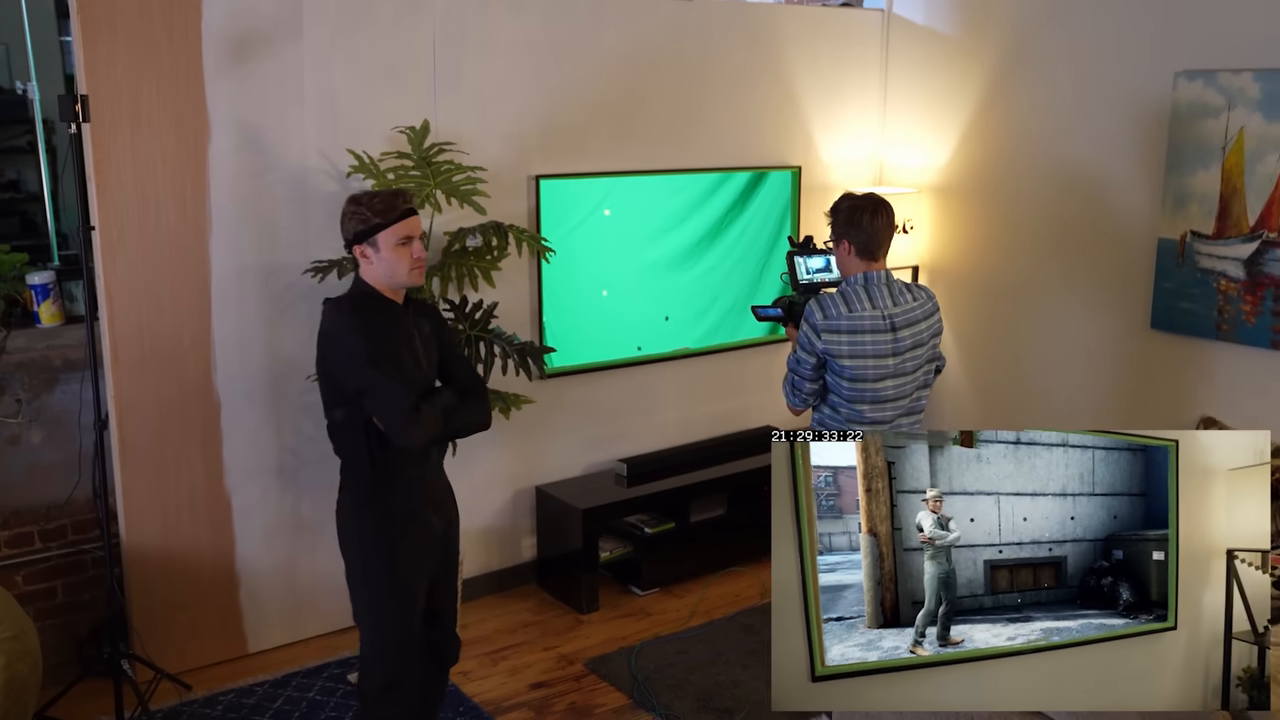
First video? Paint out. The hose ran through his fingers, hidden by grip and camera angle. When people caught on, the creator adapted... compositing a water stream as an element, transitioning between setups mid-shot.
The reveal? "So it's actually not Bluetooth, it's actually just going through my fingers."
So much simpler than anyone guessed.
Captain Disillusion called it what it is: "This is basically being a magician." And he's right. The same principles that David Copperfield uses on a Vegas stage... misdirection, camera psychology, audience assumptions... are the same principles a kid uses with a garden hose and a phone.
The tools democratized. The principles didn't change. The fundamentals never do.
Constraints Become Identity
Captain Disillusion's entire channel leans into retro 80s and 90s aesthetics. Not because he can't afford better production. Because the constraint became the signature. The limitation became the brand.
Corridor Crew practically begged their audience to go subscribe, saying: "Imagine the production quality ramped up tenfold, and the writing actually being written versus improvised."
That's what happens when you stop fighting your constraints and start building with them. The cage becomes the cathedral.
The Doom (2005) first-person sequence showed the flip side. Technically competent VFX... but the sequence felt slow, odd, a little lost. Pioneering? Yes. The crew gave it grace: "That's sometimes what happens when you pioneer things and try stuff out for the first time." Same energy as Polar Express... breaking new ground always looks a little strange to the people standing on the old ground.
27 Shots and the War on More
Here's what I keep circling back to.
We live in an age of more. More content. More effects. More polish. More everything. And the thing that still stops people in their tracks... the thing that made a kid believe fire could hit a man's leg and that was just cool... was restraint. Purpose. Knowing what the story needed and refusing to give it anything else.
Twenty-seven shots didn't make Back to the Future feel small. It made every single effect feel monumental.
That principle scales to everything. Your work. Your words. Your presence. Your attention.
Time without focus is just the clock ticking. Focus without time is a wish. But when you multiply the two... you get the rarest currency there is.
Aim it at something that matters. Cut the rest.
Next time you're tempted to add more... more effects, more words, more noise... ask the Zemeckis question first: What is it about? Then cut everything that doesn't serve the answer. The spectacular doesn't come from volume. It comes from purpose. Twenty-seven shots. That's all it took to break open time. 💫
Original video by Corridor Crew — Watch on YouTube ↗
Echoes
Wisdom from across the constellation that resonates with this article.
“Explore Captain Disillusion’s channel for VFX education and debunking methodology”
— Corridor Crew | VFX Artists React to Bad & Great CGi 57 (Ft. Captain Disillusion) Same Expert
“Study how constraints can become creative identity rather than limitations”
— Corridor Crew | VFX Artists React to Bad & Great CGi 57 (Ft. Captain Disillusion) Same Expert
“Audit current work for excess… cut 30% and see if it improves”
— Corridor Crew | VFX Artists React to Bad & Great CGi 57 (Ft. Captain Disillusion) Same Expert