

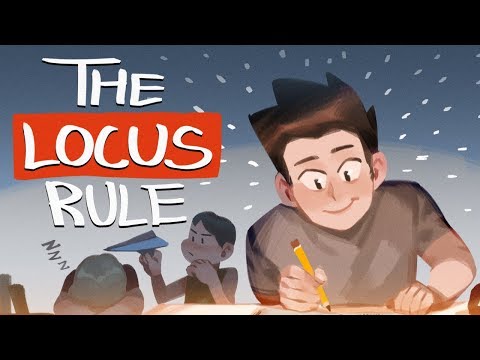
In 1998, a professor at Columbia University handed a bunch of fifth graders some puzzles and accidentally revealed the engine behind every motivational collapse you've ever had. Every quit. Every "what's the point." Every time you stopped knocking on doors... literal or otherwise.
Claudia Mueller ran the study. Simple setup. Kids work puzzles alone. Regardless of how they actually performed, every single kid was told they crushed it. Scored better than most.
Then came the fork in the road.
Half the kids were told they scored high because they worked hard. The other half were told it was because they were smart and gifted.
Pause on that. Same results. Same puzzles. Same kids. The only difference was one sentence... one tiny frame placed around their success.
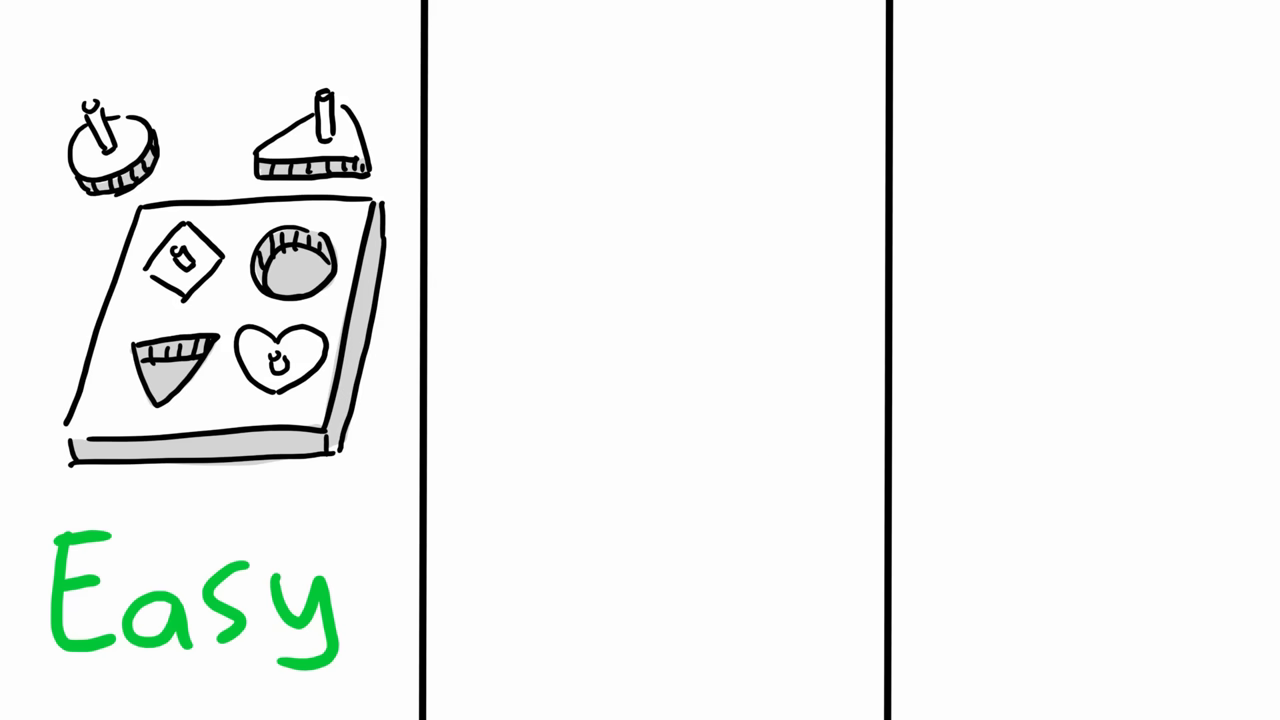
Then they gave all the kids three new sets of puzzles... easy, medium, and brutal.
The "smart" kids? Gravitated straight to the easy puzzles. Spent almost zero time on the hard ones. Showed lower motivation across the board. And when asked if they enjoyed the experience... they said no. Not that fun.
The "hard work" kids? They dove into the difficult puzzles. Spent more time overall. Showed higher motivation. And they actually enjoyed the struggle.
Same kids. Same puzzles. Different story told about who they were.
This is Locus of Control... and it might be the most important concept nobody taught you in school.
External vs. Internal
An External Locus of Control means you believe the outcomes in your life are driven by forces outside your reach. Talent you were born with. Weather. Luck. The neighborhood. The economy. The algorithm.

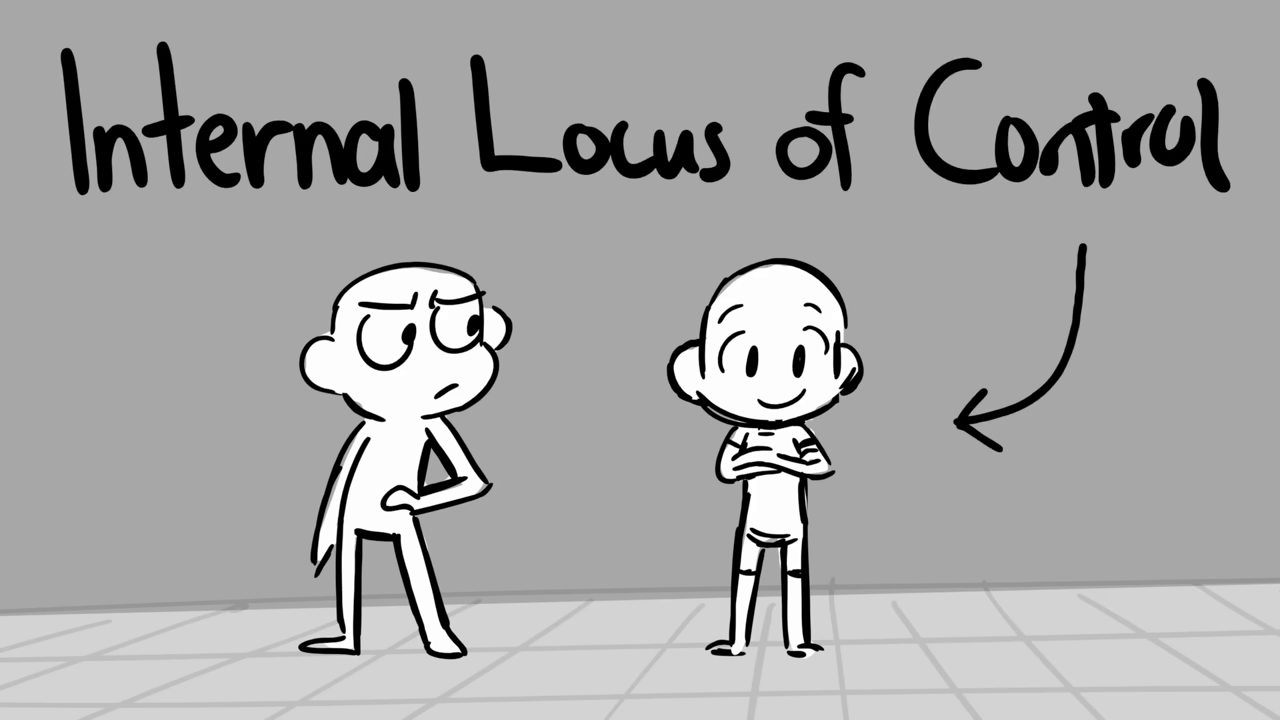
An Internal Locus of Control means you believe your actions... your effort, your choices, your persistence... are what shape your outcomes.
The "smart" kids were accidentally handed an external locus. "You did well because of something you can't control." So when things got hard, there was nothing to lean on. No lever to pull. If your success is because you're gifted, then your failure must mean the gift ran out. Game over.
The "effort" kids got the opposite frame. "You did well because of what you did." So when things got hard, they had a clear response... do more. Try harder. Push deeper. The lever was always in their hands.
I Watched This Play Out in Real Time
The narrator in the original video shares a story from managing a door-to-door sales team... one of the highest turnover environments on the planet. Most people quit within a week. Hundreds of rejections a day before someone even considers listening to your pitch.
He developed a single diagnostic question. When a new salesperson had their first zero-sale day, he'd ask: "Why do you think you made no sales today?"
If they blamed the weather, the weekend, the neighborhood... he knew they were done. External Locus of Control. They believed forces beyond them controlled the outcome. And because of that belief, they knocked on fewer doors. Which created the exact failure they were blaming on the universe.
That's the curse. When you believe nothing you do matters... you stop doing anything. And then nothing matters. Self-fulfilling prophecy. A doom loop dressed up as bad luck.
Three Minutes Without Hope
This connects to something I carry every day. Three months without food. Three days without water. Three minutes without hope.
An external locus of control is a hope killer. It strips you of agency. It whispers that the darkness around you is permanent and you're just... in it. A passenger.
But hope is a choice. And an internal locus of control is the foundation that choice stands on. When you believe your actions matter... when you believe your effort creates change... hope isn't some abstract wish. It's a strategy. It's the next door you knock on.
Light doesn't fight darkness. It just shows up.
Building the Internal Locus
The research points to a beautifully simple practice. Not a 12-step program. Not a weekend seminar.
Solve a problem in your own life. Then stop and notice that YOU solved it.
That's it.
Can't sleep? Do the research. Try morning sunlight. Use your bed only for sleep. Filter the blue light. And when you start falling asleep 15 minutes faster... don't shrug it off. Don't attribute it to the season changing or random luck. Say it out loud: "I did that. My effort. My choices. My result."
Stack enough of those moments and something shifts in your operating system. You start to believe... not because someone told you to, but because you've got the receipts... that your actions matter. That effort is the variable you control.
Motivation isn't a personality trait some people are born with and others aren't. It's a byproduct of your belief system about control. Change the belief, change the motivation.
What This Means for How We Raise Younglings
If you're a parent, a teacher, a mentor, a coach... this study should rattle you in the best way. The words we use to frame a young person's success will echo for decades.
"You're so smart" feels like a gift. It's actually a cage. It tells them their value is something they didn't earn and can't replicate.
"You worked really hard on that" is the real gift. It tells them the power was theirs all along. It gives them a lever they can pull every single time life gets harder... and it will get harder.
Carol Dweck built an entire body of work around this distinction... the growth mindset framework. But the core is ancient. You are not your talent. You are your effort. You are what you choose to do when the puzzles get brutal and nobody's watching.
Every precious monster I've ever worked with who found their way out of the pit... it wasn't because someone told them they were special. It was because someone showed them their hands still worked. That their effort still counted. That the next step was still theirs to take.
So here's your homework. Small. Doable. Today.
Find one problem in your life... doesn't have to be massive... and solve it. On purpose. With effort. Then sit with the result and let yourself feel the truth of it: you did that. Not luck. Not talent. Not the weather. You.
Stack those moments. Build that belief. Because motivation isn't something you find. It's something you build... one solved problem at a time. And once you believe your effort matters? You'll never run out of reasons to keep showing up. 💪
Original video by Improvement Pill — Watch on YouTube ↗
The REAL Reason Nobody Knows What’s Coming NextAI-driven job displacement threatens not just livelihoods but human identity and meaning, and the speed of this transitiResilience, AgencyClaire | The DocumentaryClaire Wineland’s documentary reveals that purpose drives health, pity destroys agency, and suffering is humanity’s mostResilience, AgencyMy Life StoryDerek Muller’s journey from safe engineering career to Veritasium reveals the paradox of survivor bias: attempting doesnResilience, Hope
Echoes
Wisdom from across the constellation that resonates with this article.
“Stack small internal-locus wins to build a sustained belief that your actions shape your outcomes”
— Improvement Pill | How To Stay Motivated – The Locus Rule Same Expert
“When facing a setback, audit your first instinct: are you blaming external factors or looking for what YOU can adjust?”
— Improvement Pill | How To Stay Motivated – The Locus Rule Same Expert
“When praising young people or team members, frame success around effort and strategy rather than innate talent or intelligence”
— Improvement Pill | How To Stay Motivated – The Locus Rule Same Expert