

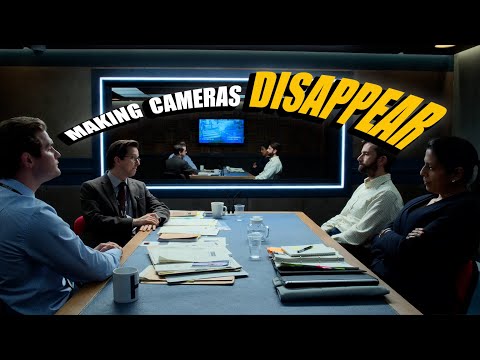
There's a rule in filmmaking so fundamental it barely needs saying: don't show the camera. And then someone puts a mirror on set... and that rule starts sweating.
Filmmaker Paul E.T. recently went down a rabbit hole that speaks to something I think about constantly. He saw a shot in Criminal UK that should have been impossible... a camera gliding along a mirror, reflections perfectly intact, and zero evidence the camera even existed.
No documentation. No behind-the-scenes photos. No one talking about how it was done.
So he did what any obsessive creative does. He started pulling threads.
Four Ways to Disappear
What Paul discovered is that filmmakers have developed wildly different approaches to the same problem... and each one teaches something worth sitting with.

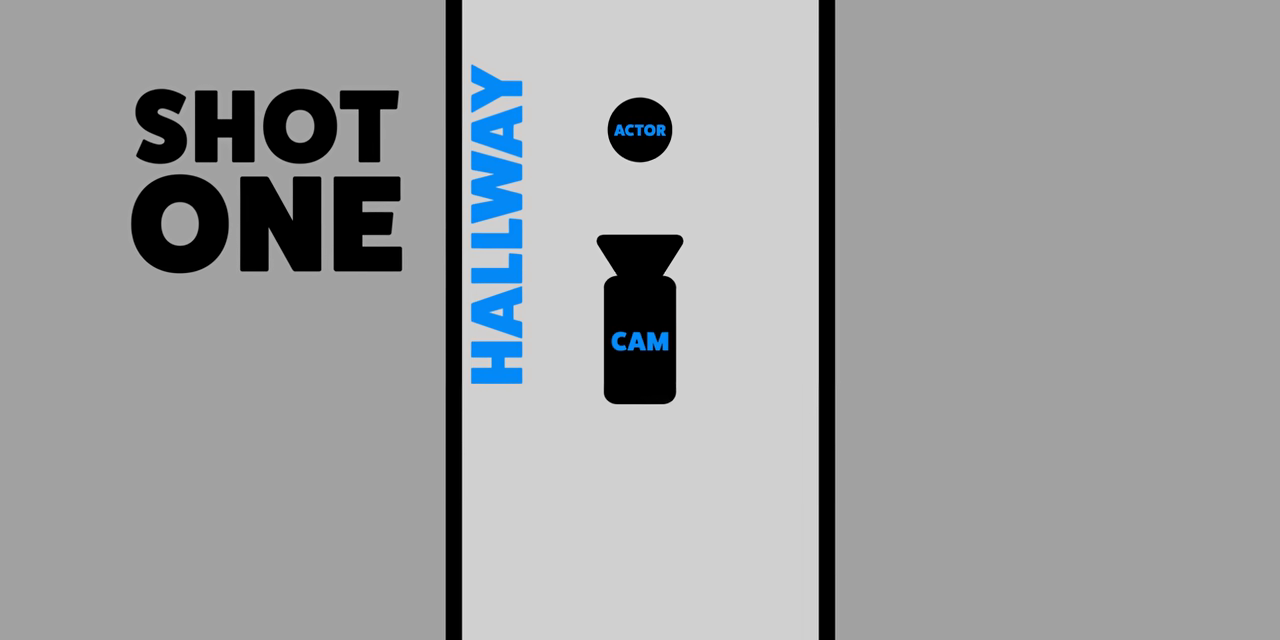
The Composite. In Contact, Robert Zemeckis and his team filmed two separate shots and stitched them together using blue screen compositing. Young Jena Malone runs down a hallway toward what looks like a mirror but is actually a massive camera lens. A second shot captures the real cabinet opening. Combine them, match the timing... BAM, one of the most famous transitions in film history. Two realities layered into one seamless moment.
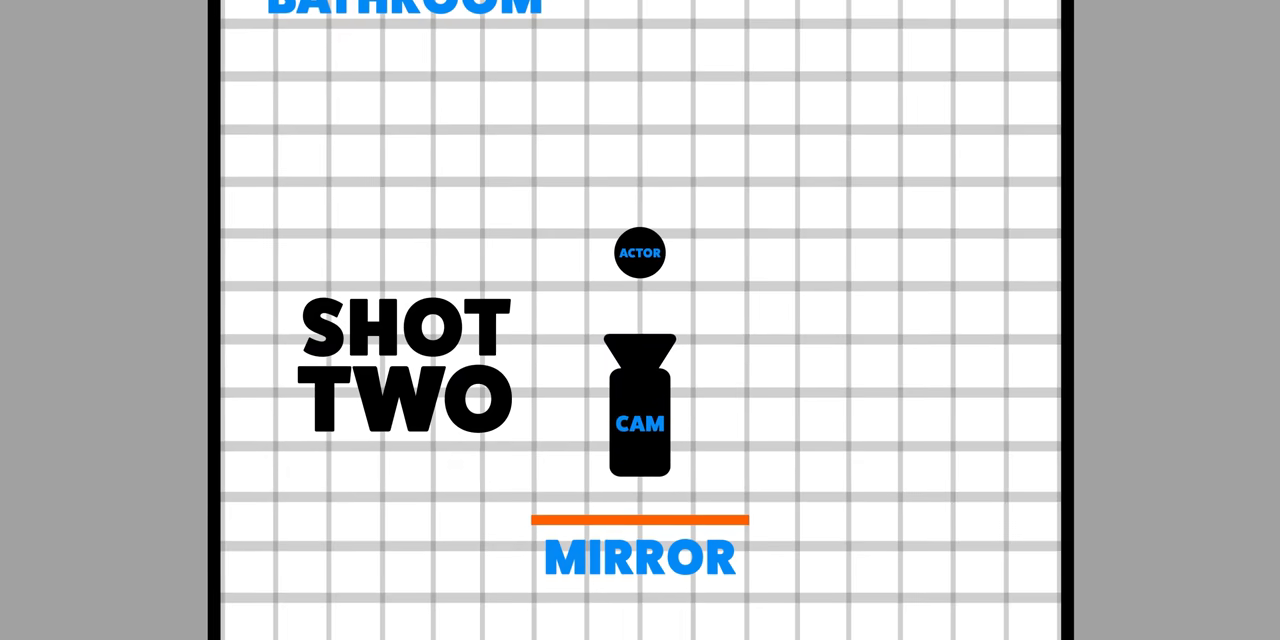
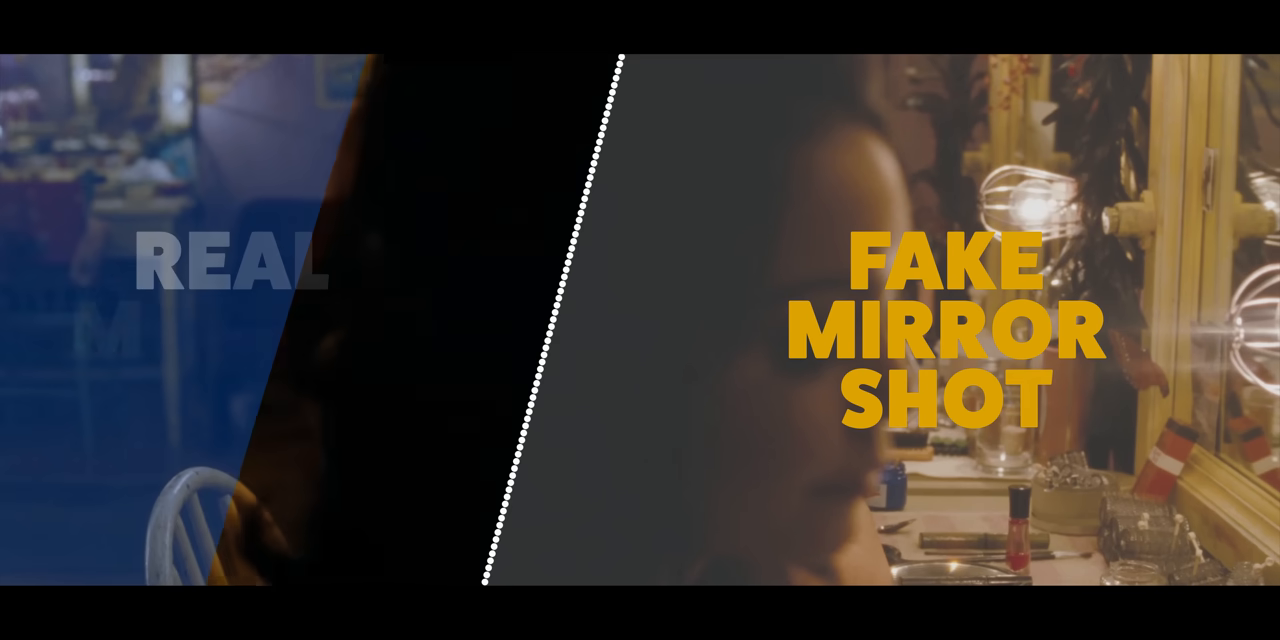
The Duplicate. Sucker Punch went full practical. They built the entire set twice... mirrored. Two sets, two casts, everyone trying to move in perfect synchronization. Photos on the "mirror" had matching doubles placed behind them. Even the decorations were cloned. Then they used an actor's head as a stitch point to splice an invisible cut between the fake mirror shot and a real one. The coordination required is staggering.
The Wall. Force Majeure kept it simple. They built the camera into the wall itself. Literally punched a hole, mounted the rig, and then digitally removed the lens poking through in post. Elegant. Minimal. The kind of solution that makes you laugh because it's so obvious... after someone else thinks of it.
The Ghost. And then there's Criminal UK. The mystery shot. The one that sent Paul spiraling through IMDb pages, Instagram accounts, crew credits, and dead ends until he finally did the thing most of us avoid... he sent an email to an actual human being.
The Email That Solved Everything
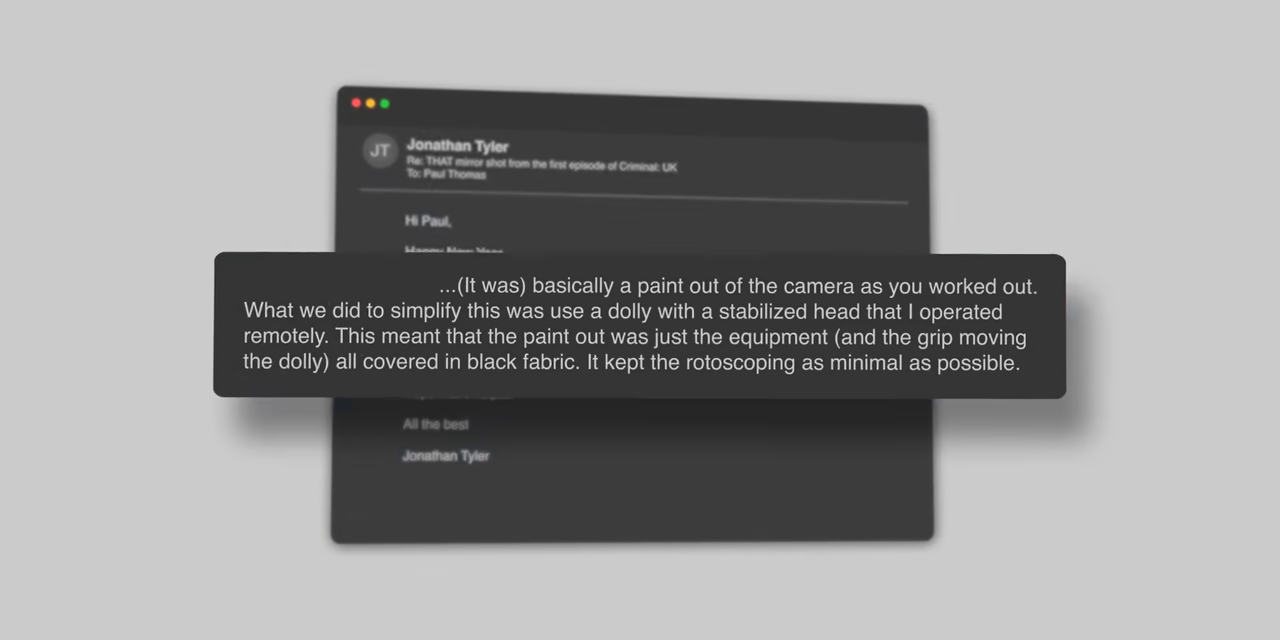
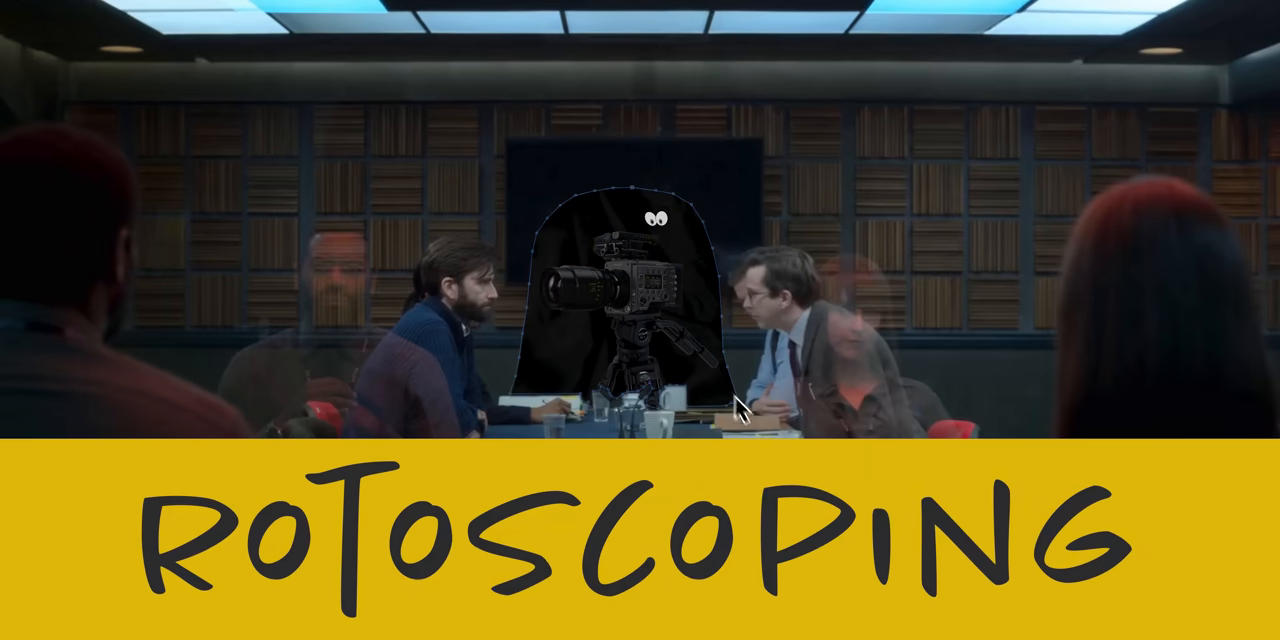
Jonathan Tyler, credited as B Camera Operator, wrote back. The technique was a remotely operated dolly covered in black fabric. Jonathan controlled it from a distance while a grip moved the rig along, also draped in black. In post, the VFX team used rotoscoping... manually tracing around the covered equipment frame by frame and replacing it with a clean background plate.
No duplicated sets. No blue screen. Just fabric, remote control, and painstaking frame-by-frame removal.
The most literal example of making a camera disappear.
What This Really Teaches
Here's where my brain goes with this... and maybe yours too.

Every one of these techniques is a different answer to the same question: How do you do essential work without being seen?
The composite layers two realities. The duplicate builds a mirror world. The wall hides in plain sight. The ghost covers itself in darkness and trusts the process to erase the evidence.
That's Quietly Working in four flavors.
I've spent decades in rooms where the whole point was to make someone else visible. To hold the light so steady that nobody notices the hand holding it. That's what stage crew does. That's what mentors do. That's what parents do at 2 AM when nobody's awake to applaud the effort.
And like these mirror shots, the techniques vary. Sometimes you composite... you blend your work with someone else's so seamlessly that the final product looks like it was always one thing. Sometimes you duplicate... you build the scaffolding that lets someone else perform the impossible. Sometimes you embed yourself in the wall and just remove the evidence of your presence afterward.
But the one that gets me? The ghost. Covered in black fabric. Operating remotely. Trusting that the careful, tedious, frame-by-frame work of removal will make the magic real.
That's the War on Hopelessness in a single image. You show up. You do the work. You stay covered. And when the shot plays... people see the reflection, not the rig.
The Undocumented Craft
One detail Paul's investigation surfaced keeps rattling around in my head. There was nothing publicly available about how this shot was made. No BTS photos. No crew posts. No breakdowns. The answer only existed in one person's memory... and it took a direct, humble email to unlock it.
How much craft knowledge lives like that? Locked in the heads of people who did extraordinary work and never documented it? How many Jonathan Tylers are out there holding solutions to problems the rest of us are still puzzling over?
This is why we ask. Why we reach out. Why we don't let the search end at the algorithm.
Sometimes the answer isn't indexed. It's in a human being who just needs someone to care enough to send the email.
Light doesn't fight darkness... it just shows up. And sometimes it shows up covered in black fabric on a remote-controlled dolly, trusting that the unseen work will serve the story. Whether you're a filmmaker erasing a camera or a mentor erasing yourself from someone else's spotlight... the craft is the same. Show up. Stay invisible. Make the impossible look effortless. That's the gig. 💙
Original video by Paul E.T. — Watch on YouTube ↗
Get the Ultimate Gemstone Look with These AdvancedA professional VFX lighting lead’s free crystal tutorial reveals deep parallels between procedural damage in 3D modelingRealm-Work, VfxWhy video game doors are so hard to get rightVideo game doors are a microcosm of how the hardest, most invisible work requires massive cross-team coordination and a Humility, CollaborationDesign Better Holes | Improve Tolerances | Reduce A comprehensive walkthrough of hole design techniques for FDM 3D printing… from fillets and teardrops through crush riRealm-Mind, Humility
Echoes
Wisdom from across the constellation that resonates with this article.
“Document your own craft process so the knowledge doesn’t disappear with you”
— Paul E.T. | How Filmmakers Make Cameras Disappear | Mirrors in Movies Same Expert
“Don’t let research end at the algorithm… reach out directly to the humans who hold undocumented knowledge”
— Paul E.T. | How Filmmakers Make Cameras Disappear | Mirrors in Movies Same Expert
“When stuck on a creative problem, study how others solved the same constraint differently”
— Paul E.T. | How Filmmakers Make Cameras Disappear | Mirrors in Movies Same Expert