


What if you could walk through your grandmother's kitchen... 20 years after it's gone? Not a photo. Not a video. The whole room. Every angle. Every shadow on the counter where she rolled out biscuits. That future isn't coming. It's here.
Bilawal Sidhu just dropped a walkthrough of eight things you can do right now with Gaussian Splatting and reality capture technology. And I need you to hear me when I say this... the creative and human implications are staggering.
First... What Even Is This?
Gaussian Splatting is a way to turn photos of real-world spaces into photorealistic, navigable 3D scenes. Think of it like taking a hundred photographs of your living room and having a machine stitch them into a place you can fly through on screen. It's the evolution of Neural Radiance Fields (NeRFs), but faster, more editable, and capable of rendering at 100 frames per second on a consumer GPU.

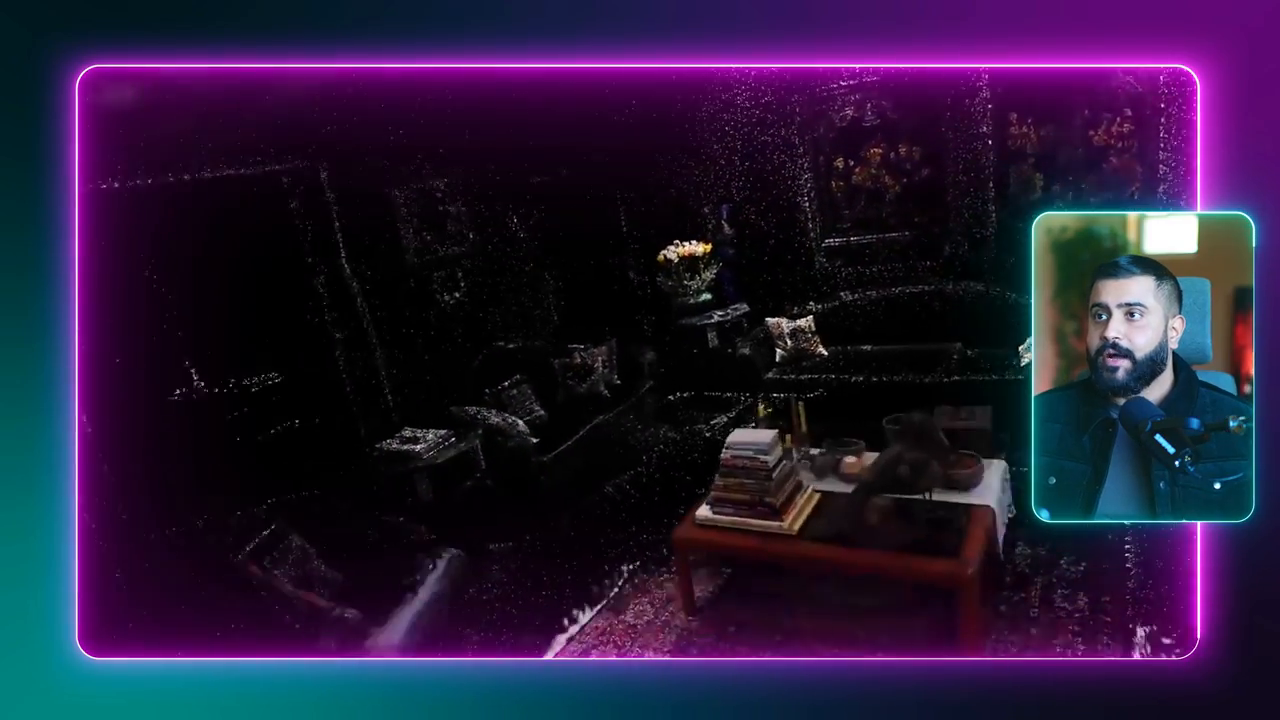
A couple of years ago this required data centers and teams of computer vision experts. Now? A decent desktop. Maybe the cloud. Maybe... your phone.
The Eight Use Cases (And Why They Matter)
Sidhu lays out eight compelling applications. I'll hit them all, but a few deserve extra weight.
1. Memory Capture
This one hit different. Sidhu scanned his parents' home after they retired... immortalized it as a Gaussian Splat. Not a photo album. A place you can revisit.
Three months without food. Three days without water. Three minutes without hope. And sometimes hope lives in the spaces we can return to. Apple is already leaning hard into spatial media capture on iPhone... 3D photos and videos designed to preserve what matters most. Photo scanning may be the most future-proof medium we have access to today.
2. Reality Bending Effects
Because Gaussian Splats are close to a 3D point cloud representation, creators like Ruben Fro are adapting point cloud shaders to produce reality-warping visuals. Think Oppenheimer meets the Thanos snap. Think animated reveals that make Luma's loading animation something people are genuinely obsessed with.
If you're a visual storyteller... this is your new sandbox.
3. Generative AI Reskinning
Take a reality capture. Run it through Kaiber or Runway Gen-1. Sidhu tested this with a DJI drone capture and generative AI... the results are captivating loops perfectly suited for social.
The convergence of generative AI with 3D capture is creating workflows that didn't exist six months ago.
4. Dynamic 3D Scenes (4D Capture)
Not just static places... moving people. Legitimate performance capture of dynamic entities. Imagine attaching particle emitters and VFX elements to captured humans in post. Running at 80 FPS on consumer hardware. The caveat? You currently need a synchronized multi-camera array. But that barrier is shrinking fast.
5. Relightability
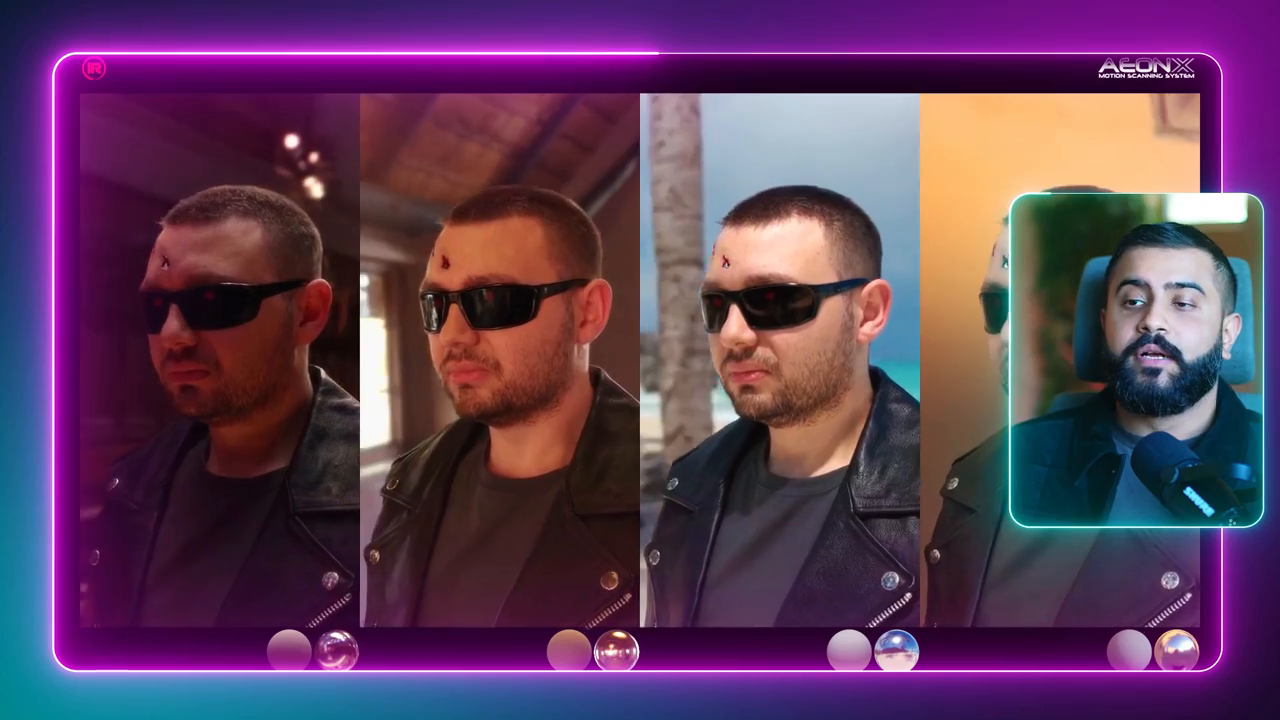
Infinite Realities demonstrated captures of a subject under varying lighting conditions. But here's where it gets wild... a South Korean company called Beeble lets you de-light a static Gaussian Splat and re-light it neurally. Swap HDRI environments. Simulate sub-surface scattering... light actually passing through skin. This is critical for dropping captured subjects into new virtual environments seamlessly.
6. Game Engine Kitbashing
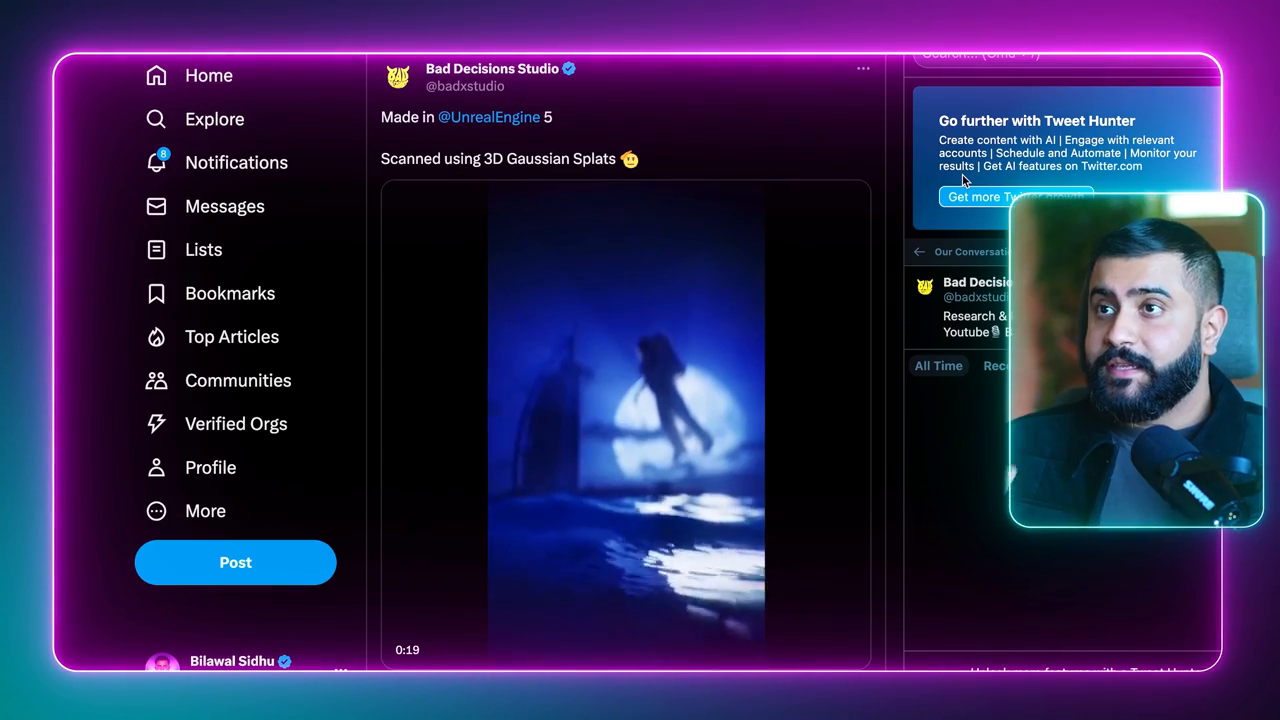
Bring your scans into Unreal Engine or Unity. Layer them with Google 3D Tiles for surrounding context. Compose photorealistic environments from your own captured library. Bad Decisions Studio demonstrated this with a boat capture in Dubai taken all the way through Unreal. Start building your own stock library of reality. 3D screenshots of the real world. BAM... that's the creative toolkit of the next decade.
7. Fine-Grained Editing
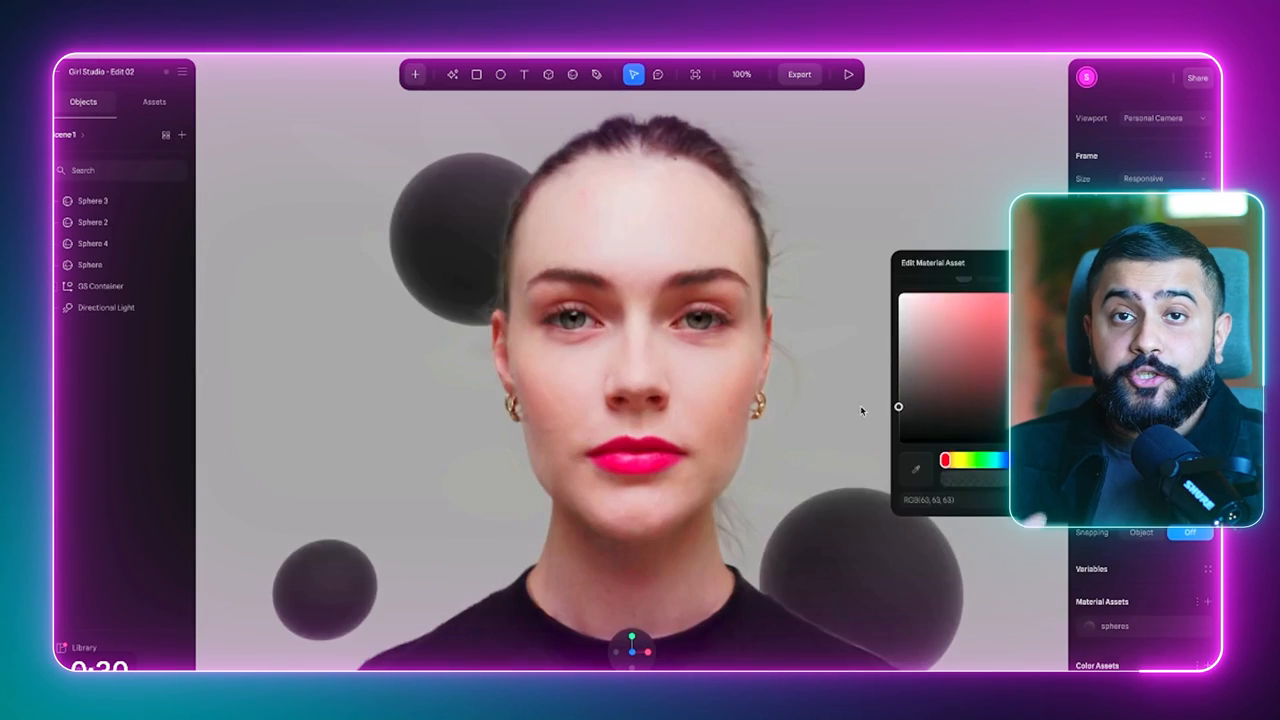
Spline now supports Gaussian Splatting imports. PlayCanvas has SuperSplat for isolating subjects and swapping environment maps. The implications for e-commerce are enormous... fashion retailers showing how clothes actually fit on a real body. Landing pages with photorealistic 3D assets composed in a web tool.
8. Heritage Conservation
Polycam is partnering with UNESCO to capture landmarks and monuments threatened by the war in Ukraine. This isn't just cool technology. This is preserving human history before it's gone.
Light doesn't fight with darkness... it just shows up. And sometimes showing up means capturing what matters before we lose it.
The Big Picture
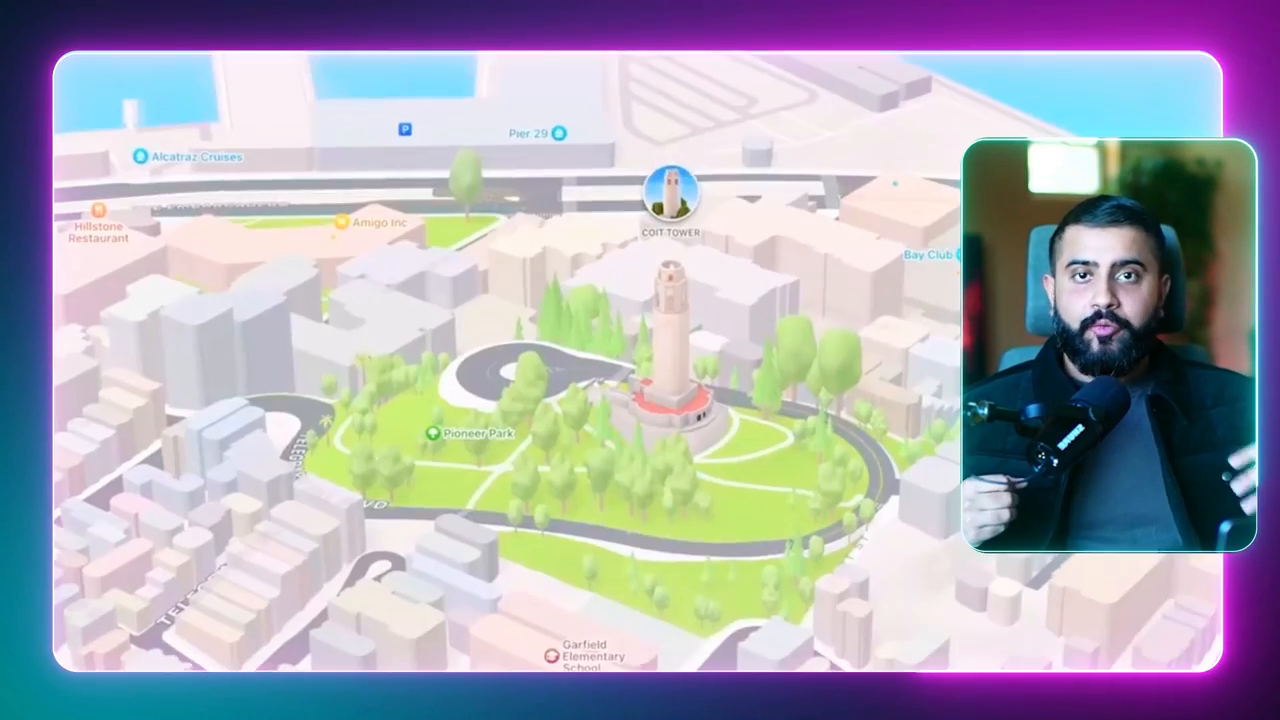
All eight use cases point toward something larger... a real-time 3D map of the world. Not the static flyovers of Google Earth. A continuously maintained digital twin of our physical reality, crowdsourced and kept current.
Distribution is already viable across Unity, Unreal, web browsers, and Apple Metal. Optimization hasn't even been seriously tackled yet. There's massive headroom.
The underlying spirit here isn't about buzzwords like metaverse. It's about connecting bits and atoms. Building connective tissue between the physical and digital worlds we already live in every single day.
Why This Matters for Creators and Quiet Workers
You don't need a Hollywood budget. You don't need a computer vision PhD. You need a camera, some curiosity, and the willingness to experiment.
This is democratization in its purest form. The tools that were locked behind data centers and specialized teams are now running on your desktop. And the use cases span everything from preserving your parents' living room to conserving world heritage sites threatened by war.
For those of us in the business of empowering others... of working quietly so someone else's story gets told... these tools are a gift.
Start capturing. Your parents' kitchen. The mural on the building they're about to demolish. The face of someone you love in light that won't last. The technology is here. The question isn't whether you can... it's whether you will. Because reality has a screenshot button now. And the things you choose to preserve say everything about what you believe matters. 💙
Original video by Bilawal Sidhu — Watch on YouTube ↗
THIS is the Biggest Thing Since CGIGaussian splatting has arrived as a genuinely new visual medium, representing 3D scenes as millions of view-dependent fuNeural Radiance Fields, Realm-WorkI Made the Same Game in 8 EnginesBuilding the same catch game across eight game engines reveals that core game logic is universal and the best engine is Realm-Work, Craft MasteryGet the Ultimate Gemstone Look with These AdvancedA professional VFX lighting lead’s free crystal tutorial reveals deep parallels between procedural damage in 3D modelingRealm-Mind, Realm-Work
Echoes
Wisdom from across the constellation that resonates with this article.
“3D Gaussian Splatting: 10 Reality-Bending Tricks – Step into the future of 3D content creation with a deep dive into Reality Capture and Gaussian Splatting. Learn how these cutting-edge technologies a”
— Bilawal Sidhu | 3D Gaussian Splatting: 10 Reality-Bending Tricks Same Expert